

Former Nigeria Football Federation (NFF) Technical Committee member, Barrister Austel Elumelu, has warned Nigeria against rushing into legal action against FIFA over the controversy surrounding the Democratic Republic of Congo’s alleged use of an ineligible player during the 2026 FIFA World Cup qualifying playoffs.
Elumelu argued that Nigeria must first establish that FIFA knew about the alleged player eligibility breach and deliberately failed to act , before considering a lawsuit against the world football governing body.
Speaking exclusively to Brila.net, the legal practitioner explained that pursuing compensation would be difficult if Nigeria could not provide evidence of FIFA’s knowledge and deliberate inaction.
He also maintained that the legal situation had become complicated because the qualifying playoff had already been concluded, making it difficult for Nigeria to seek a remedy for a matter whose original subject was no longer in existence.
However, Elumelu suggested that if Nigeria could prove that FIFA was aware of the alleged irregularity and chose to ignore it, the country could expose shortcomings within the organisation and potentially demand compensation.
Elumelu Explains Why Nigeria Must Prove FIFA’s Knowledge
Elumelu insisted that the most important issue was not simply whether DR Congo fielded an ineligible player, but whether FIFA knew about the alleged breach and deliberately failed to take action.
He emphasized that Nigeria would need credible evidence linking FIFA to the alleged failure to act before any meaningful discussion about compensation could begin.
Explaining his position, Elumelu said:
"We really have to prove that, that they knew."
"Before we begin to talk about compensation, for me, in law, the object of the matter, when it is no longer in existence, the law's hands are always bent because you can't command the law to do the impossible."
"So that's what we say, rex extinta, that the subject matter is no more."
The legal principle he referenced, res extincta, relates broadly to a matter or subject that no longer exists.
Elumelu invoked the principle to explain the difficulties Nigeria could face in seeking a legal remedy after the playoff had already taken place.
He argued that even if Nigeria believes an eligibility breach occurred, establishing that FIFA was aware of it and deliberately failed to intervene would be crucial to any further legal action.
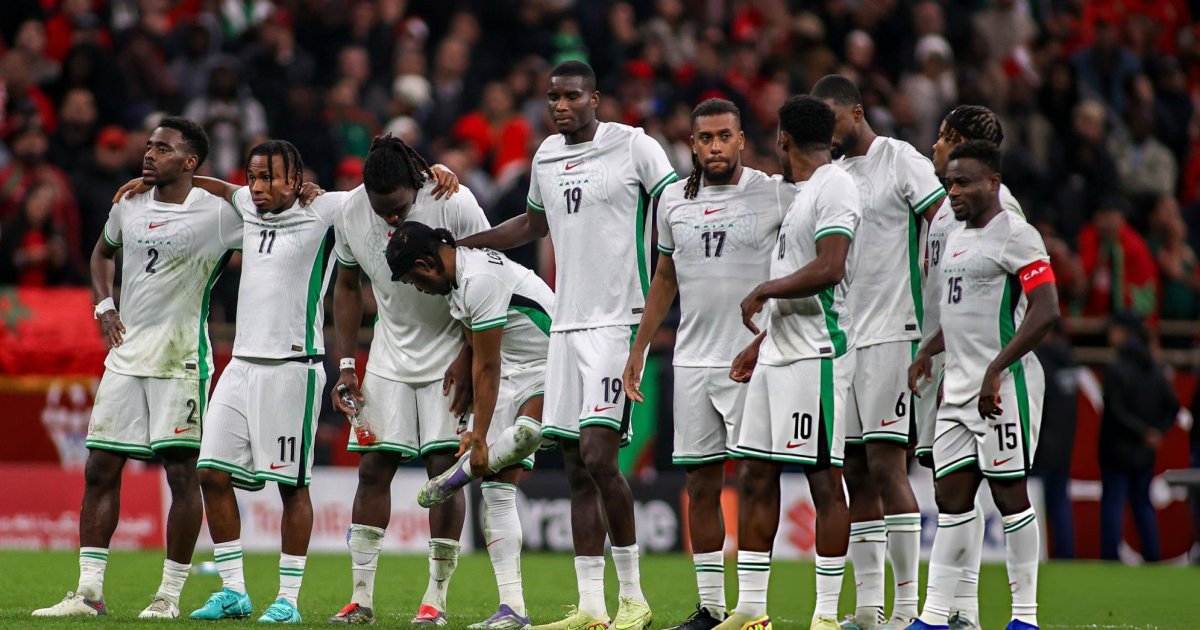
‘Nigeria Should Do Better in Trying to Qualify’
Beyond the legal challenges, Elumelu urged Nigeria to concentrate on improving its efforts to qualify for major international tournaments rather than pursuing a case against FIFA without sufficient evidence.
He cautioned against taking action based on allegations or revelations that could not be backed by credible proof, stating that Nigeria should only proceed if it was certain that FIFA had prior knowledge of the alleged infringement.
Elumelu added:
"We should allow the matter rests."
"Nigeria should do better in trying to qualify, unless we are absolutely sure and that we have the evidence that somebody in FIFA or the FIFA in its entirety knew."
There are concerns about the strength of Nigeria’s potential case, particularly if the country cannot establish that FIFA was aware of the alleged player eligibility issue before or during the playoff process.
For Elumelu, evidence of FIFA's knowledge would be central to determining whether Nigeria has grounds to pursue the matter beyond the existing sporting dispute.
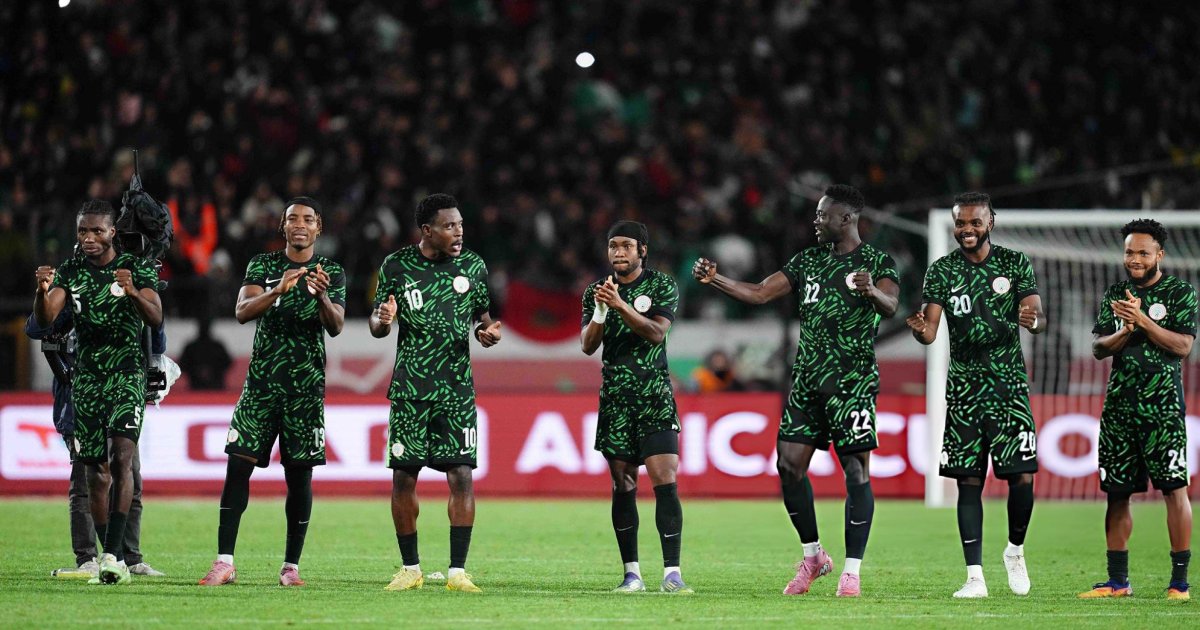
Compensation Could Be an Option if Nigeria Proves Its Case
Although Elumelu advised Nigeria to allow the matter to rest in the absence of sufficient evidence, he did not completely rule out the possibility of taking action against FIFA.
He suggested that proving the governing body knew about the alleged eligibility problem and deliberately ignored it could give Nigeria grounds to challenge FIFA's handling of the situation.
According to him, such evidence could expose alleged shortcomings within the organisation and bring international attention to its conduct.
Elumelu explained:
"Then the middle thing is, you know, to let the football world know the kind of shenanigans that FIFA is endorsing itself into."
This highlights the distinction between attempting to overturn the outcome of a completed playoff and pursuing accountability over FIFA's alleged handling of an eligibility complaint.
However, any demand for compensation would still depend on the available evidence, the applicable regulations and the legal basis for establishing FIFA's responsibility.
This doesn't not establish that Nigeria would automatically be entitled to compensation if FIFA's prior knowledge were proven.

What Should Be Nigeria's Next Move?
The controversy places Nigeria's football authorities in a difficult position as they consider whether further action against FIFA would be worthwhile.
Elumelu's position is that Nigeria must establish two critical elements before pursuing a legal challenge: credible evidence that FIFA knew about the alleged player eligibility breach and proof that the governing body deliberately failed to act.
Without that evidence, he believes Nigeria risks pursuing a case that may be difficult to sustain, particularly given that the playoff has already been completed.
His advice is therefore twofold:
Nigeria should prioritise improving its qualification efforts while ensuring that any attempt to hold FIFA accountable is supported by clear evidence.
88.9 FM
SPORTS WRAP with Breezy, Victor Okhani and Femi
Comments
0Be the first to comment on this article.