
Standard is an established norm, level of quality, or rule used as a measurement, reference point, or model for comparison.
A standard defines the level something must meet to be considered acceptable for use. It is supposed to remain consistent, regardless of the situation or circumstances.
In simple terms, when we talk about a standard, there should be no excuse for compromising it.
This has been a major issue in African sport, particularly when it comes to the round leather game.
It is a known fact that FIFA and the Confederation of African Football (CAF) have established standards for professional football, with specific characteristics and requirements that must be met before a stadium can be approved to host professional matches.
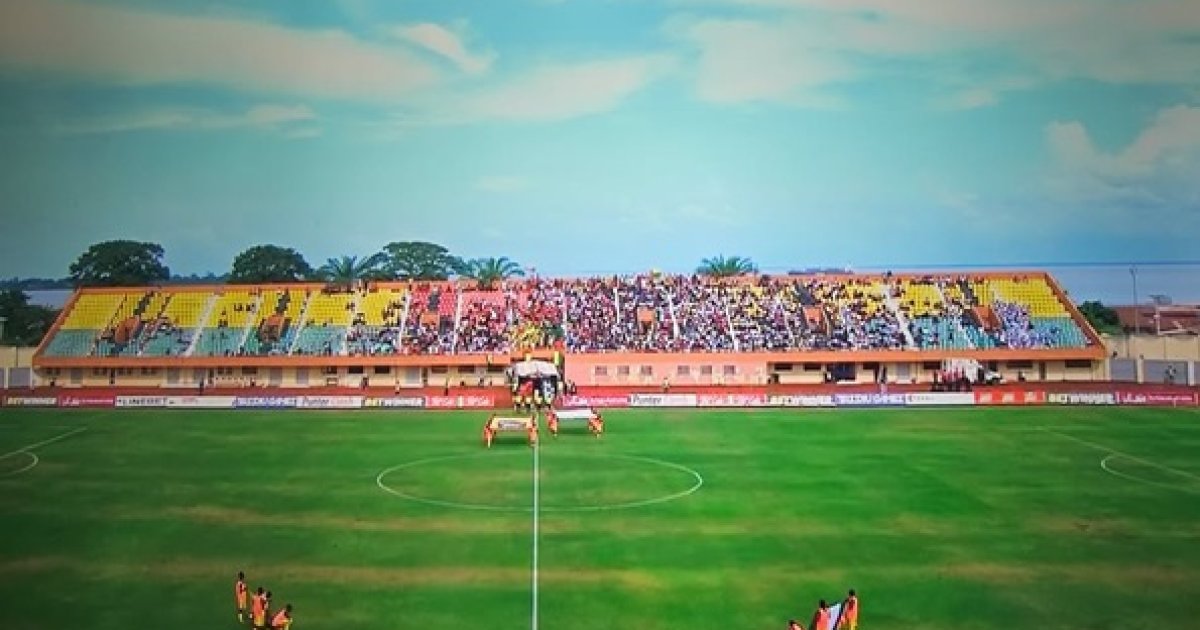
One of the most important of these requirements concerns the stadium itself, particularly the playing surface.
According to the CAF Stadium Regulations, Edition 2022, under Chapter II – Requirements, Section 1 – Pitch and Surrounding Areas, Article 7, there are specific requirements that a stadium must meet to be classified under the different CAF stadium categories.
Sub-Article 7.01 states that “The field of play must be smooth and level.”
That should be straightforward.
If the regulations clearly state that the playing field must be smooth and level, then how do pitches that are visibly uneven, rough, excessively hard or otherwise unsuitable continue to receive approval for professional football matches?
This raises a fundamental question: what exactly does “standard” mean in African football?
A professional football match should not simply be played because the players are professionals and are expected to adapt to whatever conditions they find themselves in. The professionalism of the players does not cancel the responsibility of football authorities to provide professional playing conditions.
Yet, this seems to be increasingly accepted across African football.
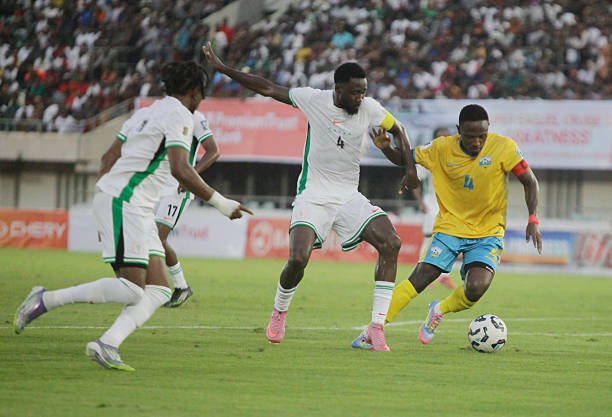
A recent example was the match between Nigeria and Guinea-Bissau, where the condition of the playing surface attracted criticism.
Rather than questioning why a professional international match was being played on such a surface, some of the reaction focused on the argument that the players are professionals and should therefore be able to play under any conditions.
But that argument misses the point.
Professional players being able to adapt to difficult conditions does not make those conditions acceptable.
There is a difference between playing football professionally and providing professional conditions for football.
The fact that players can cope with a poor pitch should not be used as justification for allowing poor pitches to become the norm.
Football is called professional football for a reason. There are rules, regulations, facilities and standards that are supposed to separate professional football from amateur football.
And the excuse should not simply be, “This is Africa.”
That mindset itself is part of the problem.
We have repeatedly heard the argument that smaller footballing nations should be allowed to play their matches at home, even when their stadiums do not appear to meet the required standards.
The argument is understandable from the perspective of giving every country the opportunity to host matches on home soil.
But the question remains: where do we draw the line?
If a stadium does not meet the required standard, should the solution be to lower the standard, or should the country be required to improve its facilities before hosting professional international matches?
There is also the issue of sporting fairness.
When one team is accustomed to playing regularly on a poor or uneven surface while the visiting team is not, the conditions can potentially affect the way the game is played.
The ball may not move as expected, passing becomes more difficult, players may struggle with their footing, and the technical quality of the match can suffer.
That raises another important question:
Where is the fair play that FIFA and CAF consistently promote?
Fair play should not only be about what happens between players. It should also include providing both teams with an acceptable environment in which to compete.
The issue goes beyond Nigeria, Guinea-Bissau or any single stadium. It is a broader African football problem.
Across the continent, there are stadiums that continue to host major professional and international matches despite concerns about the quality of their playing surfaces and other facilities.
And perhaps the most worrying part is that it has become normal.
The media often moves on. Fans accept it. Players adapt to it. Coaches complain about it and then move on. Football administrators defend it. And the cycle continues.
But how can African football genuinely develop if the basic infrastructure required for quality football is continually compromised?
How can African leagues improve their technical standards when players are regularly expected to play on surfaces that make technical football more difficult?
How can African football compete with the best footballing environments in the world if we continue to treat basic professional standards as optional?
It is time for the media, football stakeholders, coaches, players, federation administrators and fans to speak with one voice on this issue.
The demand should not be for special treatment.
It should simply be for the enforcement of the standards that already exist.
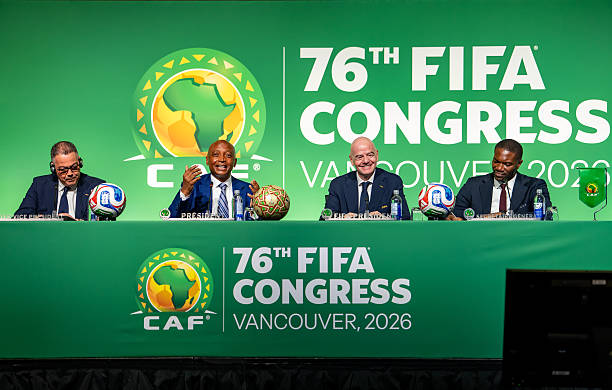
CAF should not only create stadium regulations; it should consistently enforce them.
If a stadium does not meet the required standard, the solution should not be to create excuses around the circumstances.
The solution should be to ensure that the stadium is brought up to the required standard.
And if that cannot be done, then alternative venues that meet the requirements should be considered until the necessary improvements are made.
There is nothing wrong with asking a country to play its international matches outside its territory temporarily if its own facilities do not meet the required professional standard.
In fact, that should serve as an incentive.
If a nation genuinely wants to host professional international football on its home soil, then it should invest in infrastructure capable of meeting the required standards.
African football deserves better.
African players deserve better.
African fans deserve better.
And professional football deserves better.
The question is no longer whether Africa has football talent. We have proven that repeatedly.
The question is whether the structures supporting that talent are good enough.
CAF must learn to treat the word “standard” as a standard — not a suggestion.
Until nations are serious about providing acceptable football infrastructure, particularly quality playing surfaces, the continent will continue to compromise the very product it is trying to develop.
It is time to stop using “this is Africa” as an excuse.
If it is professional football, then the conditions must be professional too.
88.9 FM
Wrap up with Adebanjo Ogunseye and Joseph Obisesan
Comments
0Be the first to comment on this article.