
The Moroccan government has dismissed viral claims that the country’s Minister of National Education, Preschool and Sports, Mohamed Saad Berrada, made comments suggesting Morocco does not represent Africa at the FIFA World Cup.
In a statement issued on Wednesday, the ministry described the alleged remarks as “entirely false and unfounded,” insisting the minister never said Morocco was distancing itself from the African continent.

The government reaffirmed that the Kingdom remains proud of its African identity and its longstanding political, cultural and historical ties with the continent.
It also warned that legal action could be taken against those responsible for spreading the fabricated claims.
The controversy comes at a time when Morocco is once again carrying the hopes of African football on the global stage.

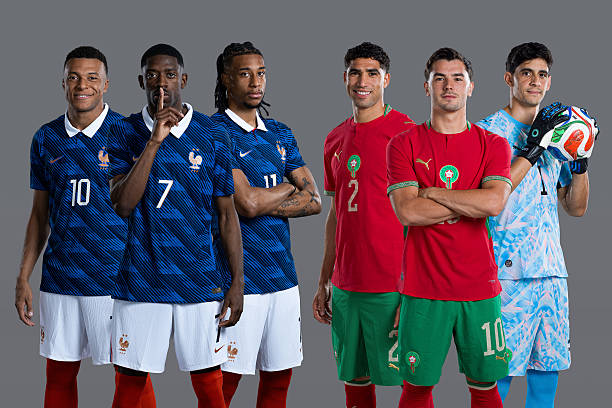
Four years after becoming the first African nation to reach a FIFA World Cup semifinal in Qatar in 2022, the Atlas Lions have continued their impressive rise by reaching the quarter-finals of the 2026 tournament, where they face France in a rematch of the historic 2022 semifinal.
Also read: Norway’s World Cup Hotel Nightmare
Morocco’s memorable campaign in Qatar united football fans across Africa, with many rallying behind the Atlas Lions as representatives of the continent after the elimination of other African teams.
Victories over Belgium, Spain and Portugal in 2022, transformed the team into a symbol of African football’s growing competitiveness on the world stage.
That legacy has fueled expectations during the 2026 World Cup, where Morocco remains the continent’s last representative.

The resurfacing of the false claims has therefore sparked widespread debate, with many supporters questioning the country’s relationship with the broader African football community.
Despite the online controversy, Moroccan officials maintain that the government’s position has not changed.
They insist the viral statements attributed to Berrada are fabricated and do not reflect either his views or Morocco’s official policy, emphasizing that the country’s African identity remains an integral part of its national vision.
