
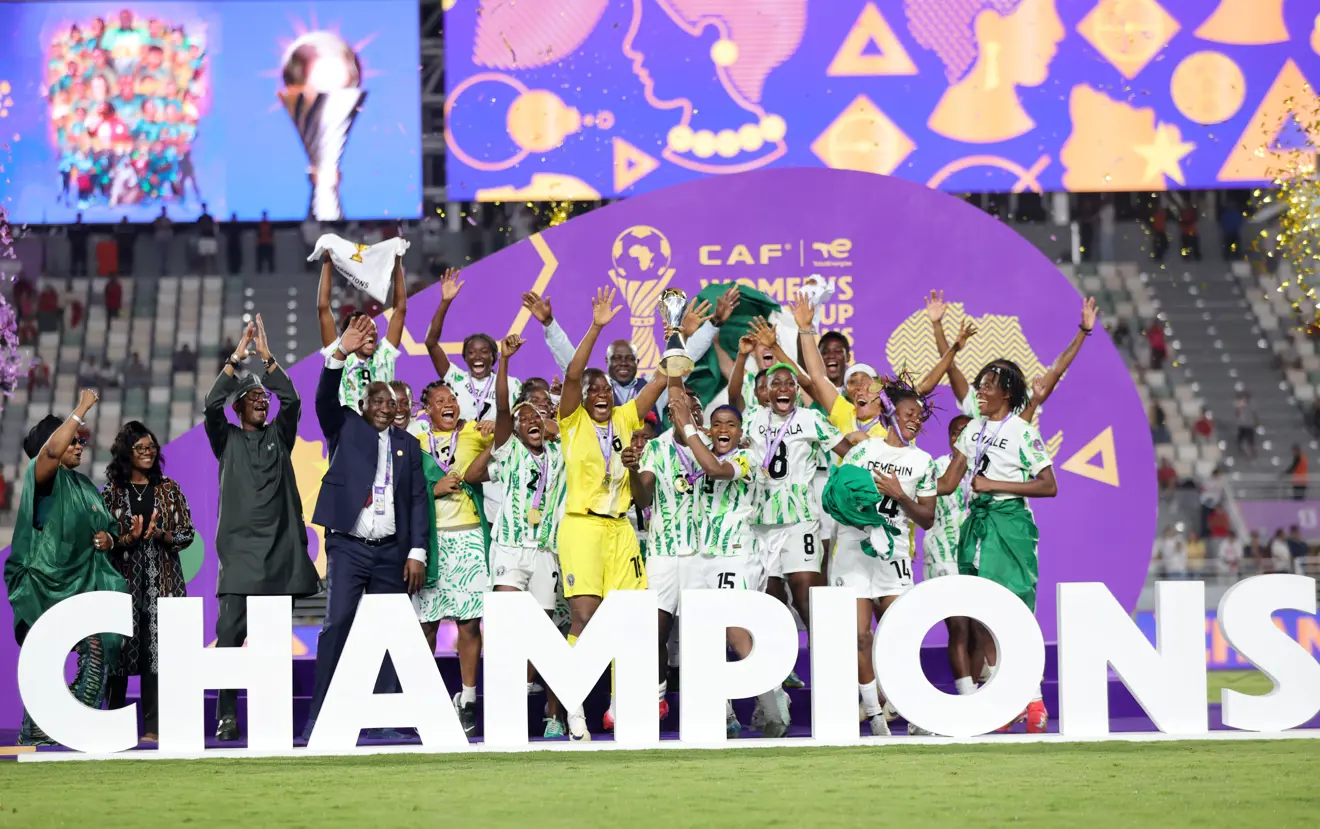
The Super Falcons’ shock quarter-final elimination by Cameroon has changed the entire complexion of the tournament. Why because, for the first time in the history of the Women’s Africa Cup of Nations (WAFCON 2026), Nigeria will not be walking out for the semi-finals.
The defending champions are gone, South Africa are also out, and for the first time in years, African women’s football is guaranteed to have a new continental champion.
Four teams remain.
Morocco have the home crowd behind them.
Cameroon are riding the biggest victory of their campaign.
Algeria are making history with every passing round.
And Malawi, ranked 153rd in the world before the tournament, are now just one victory away from a place in the final.
All four have also already achieved one of their biggest objectives: qualification for the 2027 FIFA Women’s World Cup.
Now, there is only one prize left.
The WAFCON trophy.
And the road to it could not be more unpredictable.
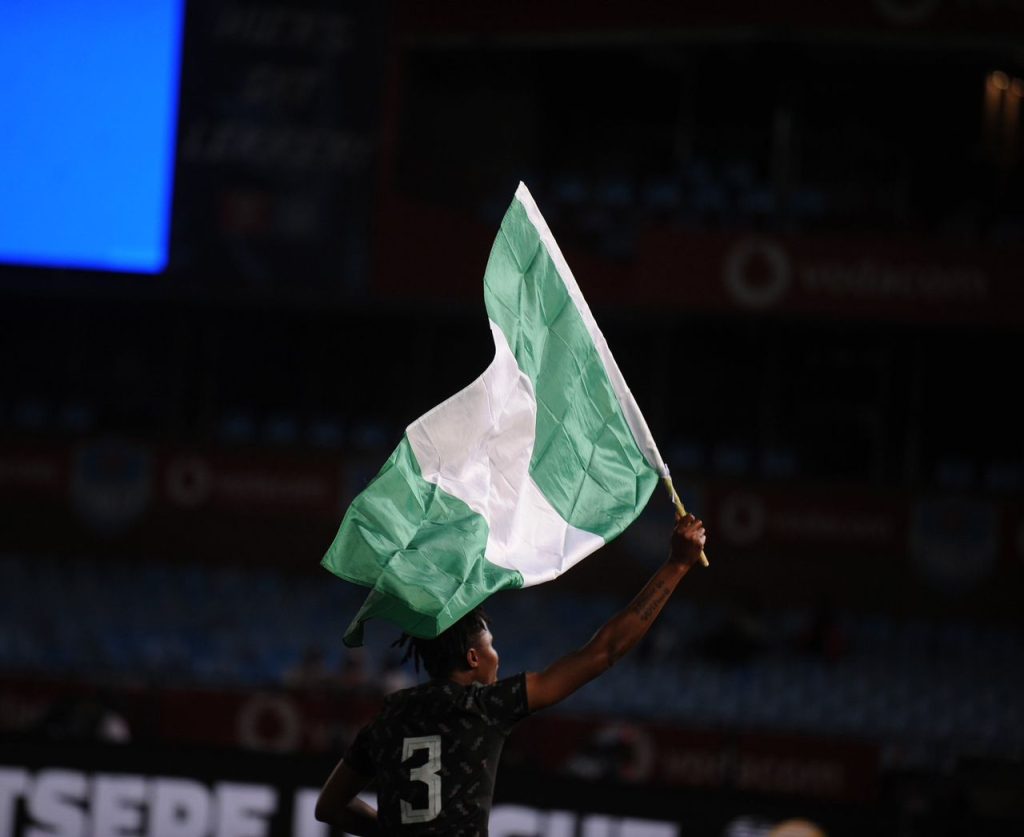
WAFCON 2026: Nigeria’s Absence Changes Everything
Nigeria’s dominance of the WAFCON has been so overwhelming that the tournament almost seemed incomplete without them in the final stages.
The Super Falcons have won the competition 10 times and had reached the semi-finals in every previous edition they contested.
That extraordinary run ended when Cameroon defeated them 1-0 in the quarter-finals.
It was more than an upset.
It was a changing of the guard.
Cameroon’s victory not only ended Nigeria’s title defence but also guaranteed that a new champion will be crowned in Morocco.
South Africa, who had also been among the tournament favourites, suffered elimination at the hands of the hosts.
The result leaves four teams who all have legitimate reasons to believe that this could finally be their moment.
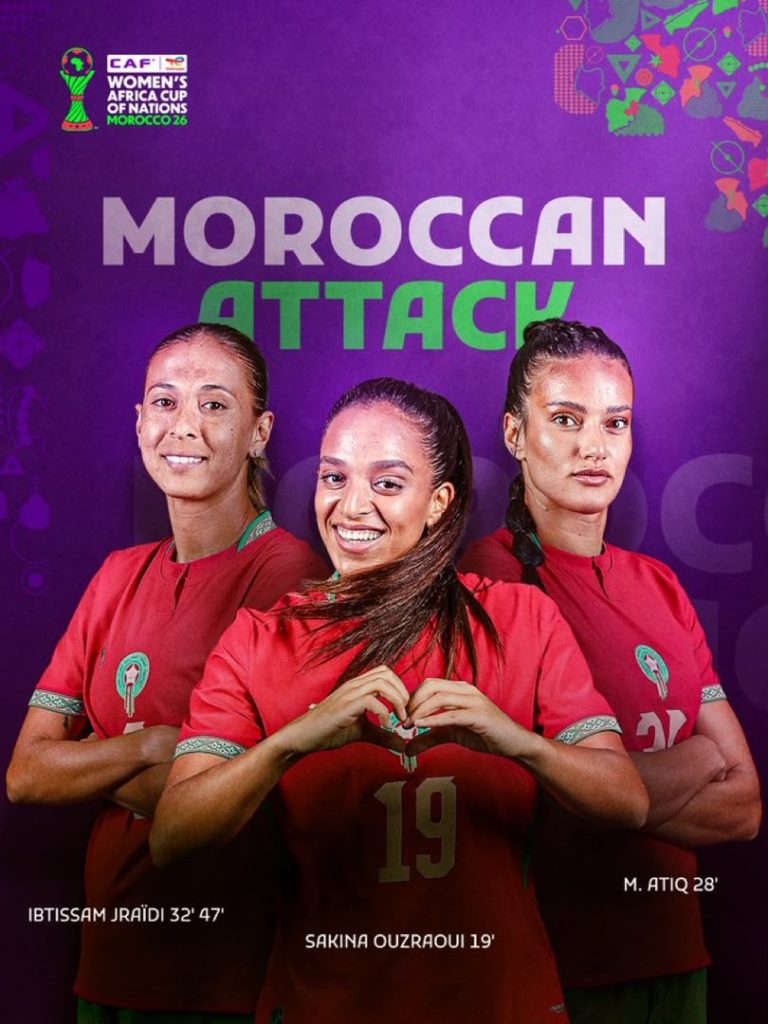
Morocco: The Favourites Carrying an Entire Nation
If there is one team entering the WAFCON 2026 semi-finals with the greatest pressure, it is Morocco.
The Atlas Lionesses are the only remaining side for whom simply reaching the last four cannot be considered an achievement in itself.
They are at home.
They have the support of thousands of Moroccan fans.
And after reaching the final on home soil four years ago, expectations have grown even higher.
Head coach Jorge Vilda knows exactly what that pressure means.
“I think the pressure will be on Cameroon, because having 22,000 Moroccans in the stadium will create enormous pressure for them,” he said at the pre-match conference.
“For us, pressure is a privilege. We want to be in the final, and that’s the players’ dream.”
“This feeling is positive, not negative.”
That confidence reflects Morocco’s gradual improvement throughout the tournament.
Their opening performances did not immediately convince everyone that they were ready to go all the way, but their quarter-final victory over South Africa was significant.
The hosts defeated one of their biggest recent rivals and cleared a major psychological hurdle.
Now they have Cameroon standing between them and another WAFCON final.
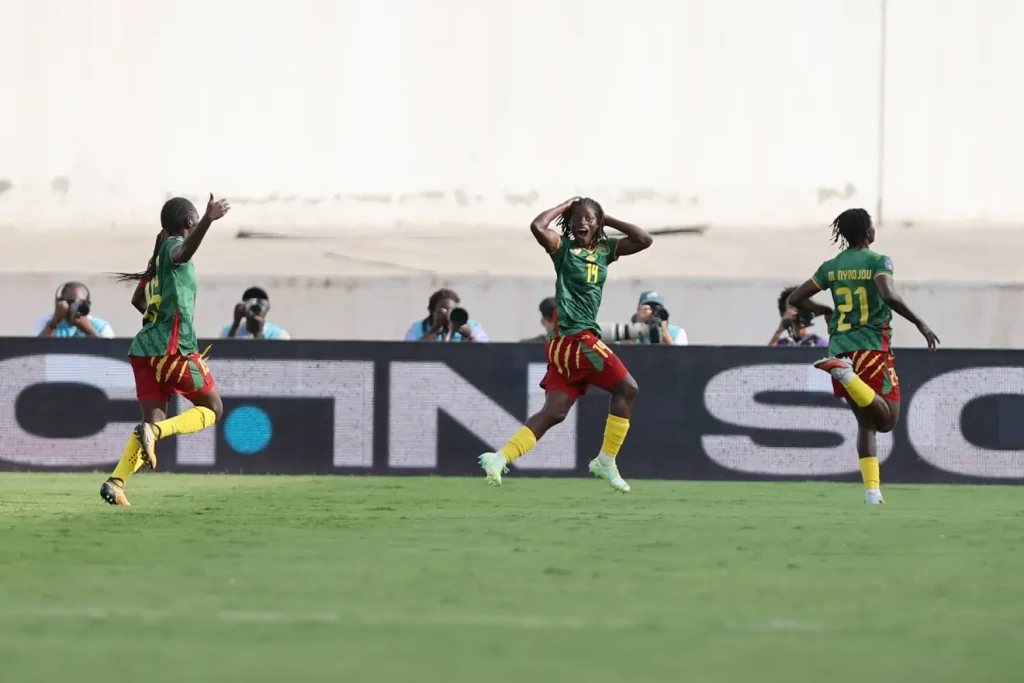
Cameroon: The Giant-killers Who Refuse to Blink
Cameroon have already produced one of the tournament’s defining moments.
They knocked out Nigeria.
The Indomitable Lionesses were expected to be underdogs against the record champions, but instead they delivered one of the greatest results in their recent WAFCON history.
The decisive goal came from Myriam Nyadjou, but the player who ultimately protected Cameroon’s historic victory was goalkeeper Michaely Bihina.
She made nine saves.
Nine.
Nigeria created 19 chances, many of which could ordinarily have produced goals but Bihina stood between the Super Falcons and the semi-finals.
Her performance has transformed her into one of the tournament’s breakout stars.
Cameroon themselves had only 40% possession and registered three shots on target.
Yet they did what mattered most.
They scored.
And they defended.
Built under chaos, Cameroon’s achievement becomes even more impressive when the circumstances surrounding their tournament are considered.
They changed coaches and entered another period of uncertainty before the competition.
Head coach Dimitri Lipoff admitted just how difficult the process had been.
“It’s crazy,” Lipoff told ESPN.
“Since less than two months, we are new. This team is new, these players are new, this group is new, everything is new.”
“So we built from the beginning. That’s why it was very tough, and we never stopped working since the beginning.”
“We will continue. We have to continue.”
That determination has now carried Cameroon to the final four.
The team’s athleticism in transition give them weapons that can hurt Morocco but they will need to produce more attacking threat than they did against Nigeria.
Against the hosts, they cannot simply depend on Bihina producing another miracle.
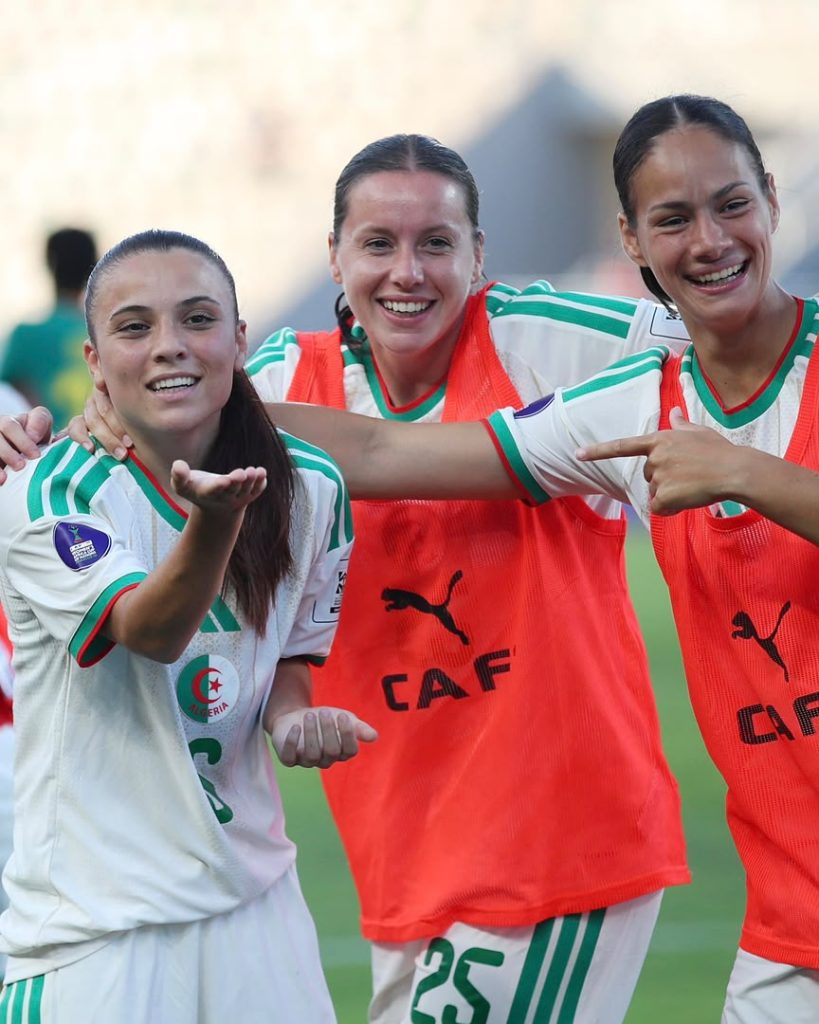
Algeria: Quietly Becoming a Serious Contender
While much of the attention has centred on Morocco, Cameroon and Malawi, Algeria have quietly built one of the most impressive campaigns in the tournament.
At the previous WAFCON, Algeria were eliminated without conceding a goal across four matches.
This time, coach Farid Benstiti has retained the defensive discipline while adding greater attacking ambition.
The result is a team that looks increasingly complete.
They impressed against Senegal in their opening game and later showed against Morocco that they could compete with one of Africa’s strongest teams.
They eventually lost that contest to a late Sanaa Mssoudy goal, but the performance demonstrated their potential.
Their quarter-final against Ivory Coast was more difficult.
Algeria had to survive periods of pressure and ride their luck, but when the decisive moments arrived, they remained composed.
Now they are one victory away from a historic WAFCON final.
Captain Marine Dafeur provides leadership, while Melissa Bethi has also impressed.
However, injuries to Ines Boutaleb and Morgane Ikene could become significant as the tournament enters its decisive stage.
Benstiti is already thinking beyond the semi-final.
“It’s very important to keep making progress in certain areas, to focus on ourselves and on the opposition, and then to think about the final,” he told journalists on Tuesday.
“Although to be honest, in the back of my mind, I’m obviously thinking about the final.”
Before Algeria can dream too loudly, however, they must deal with the tournament’s most extraordinary story.
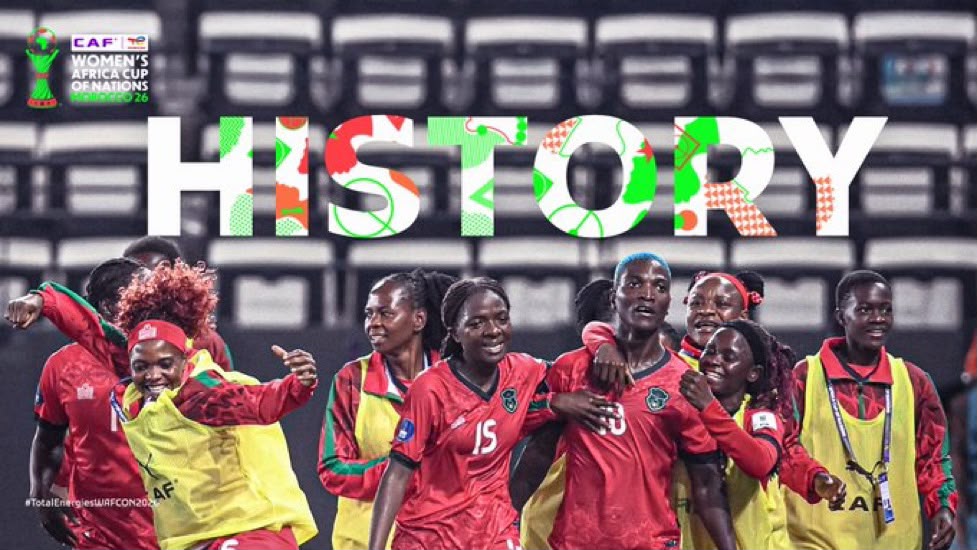
Malawi: From 153rd to One Game from History
If the WAFCON had a script before the tournament began, Malawi have torn it apart.
They arrived in Morocco ranked 153rd in the world.
Now they are among Africa’s final four.
And they are not here by accident.
- They beat Nigeria 3-2.
- They defeated Egypt 3-1.
They held their nerve against Zambia before producing the decisive goal to eliminate their neighbours.
Then came Ghana.
Malawi came from behind to beat the Black Queens 2-1 in the quarter-final.
One more victory would take them into the WAFCON final.
The same team that arrived as one of the tournament’s lowest-ranked sides could now be 90 minutes away from playing for the continental crown.
Calling it merely a fairytale does not quite capture what Malawi have done.
They have played with belief and have prepared properly.
They also possess two players capable of changing matches in an instant: sisters Tabitha Chawinga and Temwa Chawinga.
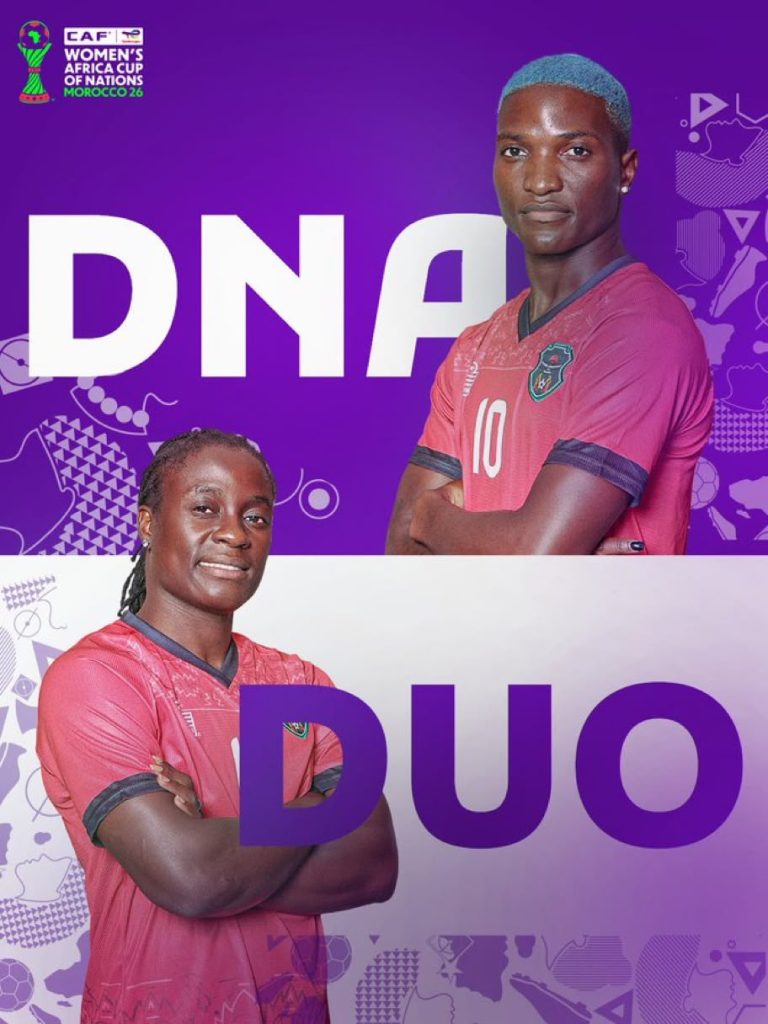
The Chawinga Factor
Temwa‘s influence has been extraordinary.
Her assist against Egypt was one of the standout moments of the tournament, while Tabitha provides experience and leadership.
Rose Kadzere and Faith Chinzimu have also supplied important support.
Malawi’s biggest weakness may be at the back.
Goalkeeper Mercy Sikelo has not always inspired complete confidence, while midfield enforcer Madyina Nguluwe (nicknamed the “Russian Tank“), embodies both Malawi’s strength and vulnerability.
Her aggression gives Malawi tremendous bite in midfield but it can also leave spaces. Against Algeria, those spaces could be punished.
Coach Lovemore Fazili insists his players are not getting carried away by their extraordinary run.
“The players are not relaxing,” he said after World Cup qualification was secured.
“They haven’t gone on honeymoon, they’re fully focused and geared up for the game.”
They will need to be.
Algeria represent their biggest test yet.
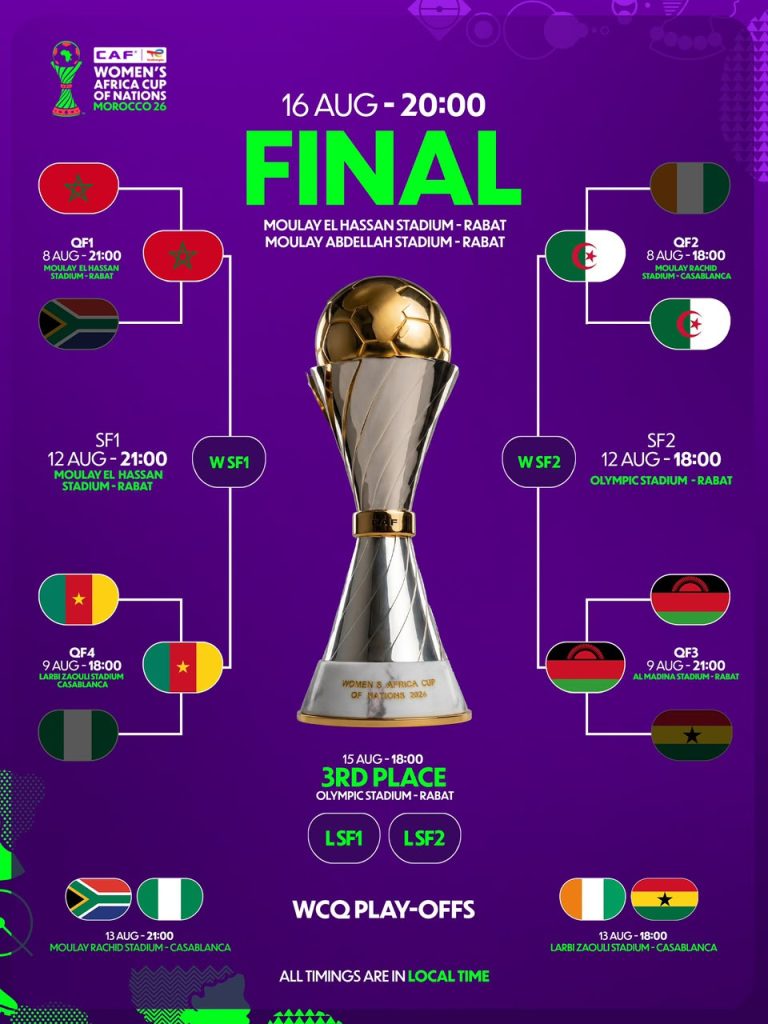
A New Era Begins
Nigeria’s absence has created a vacuum.
For years, the question at the WAFCON was often about who could stop the Super Falcons.
Now, there is no Nigeria left to stop.
There is only a trophy waiting for someone new.
Morocco want to win it in front of their supporters.
Cameroon want to turn the elimination of Nigeria into something even greater.
Algeria want to complete a historic rise.
Malawi want to transform an extraordinary underdog story into an African championship.
One thing is already certain.
The next WAFCON champion will not be Nigeria.
The old order has been broken.
Now, with just two matches standing between these four teams and history, African women’s football is waiting to discover who will seize the moment.
