
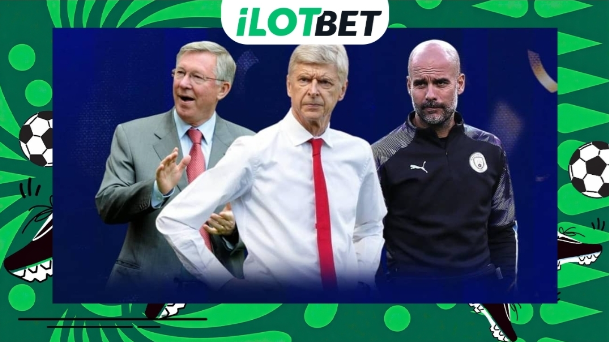
There was a time when judging a football manager was wonderfully simple. Win trophies, avoid relegation, beat your biggest rivals and keep the dressing room together. In the early 1990s, those measures still carried enormous weight. Three decades later, however, the definition of a great manager has become considerably more complicated.
That does not mean trophies have lost their importance. Quite the opposite. Sir Alex Ferguson's 13
Premier League titles remain the clearest evidence of sustained managerial excellence in English football.
Yet modern football asks a manager to deliver much more than silverware. He must have a recognisable tactical identity, develop players, manage data, communicate with supporters and executives, adapt to different opponents and, increasingly, help shape the entire culture of a club.
The changing expectations can be seen by comparing Ferguson with Pep Guardiola. When Ferguson began his Manchester United reign in 1986, tactical sophistication certainly existed, but the modern obsession with positional structures, pressing triggers, expected goals and detailed opposition analysis was nowhere near today's level. Ferguson's genius was partly his ability to repeatedly rebuild successful teams. His United sides changed considerably from the Cantona-led team of the early 1990s to the Treble winners and later the Rooney-Ronaldo generation.
Guardiola, meanwhile, has helped turn tactical detail into almost a second language of elite football. His Manchester City teams have used possession, positional rotations, inverted full-backs, high pressing and
different interpretations of space. His influence has extended beyond trophies.
That raises an important question, is style of play now as important as winning? The answer depends heavily on the club. A manager at Manchester City or Real Madrid will be judged differently from one at a newly promoted side fighting to survive.
Understanding the Modern Game.
The growing tactical complexity of football has also changed how supporters consume the sport. Fans today analyse pressing structures, possession patterns, expected goals and tactical matchups in greater detail than ever before. That deeper understanding has also influenced how football enthusiasts engage with match predictions and betting markets, where team identity and managerial approaches can often provide valuable context.
Why Management Styles Matter More Than Ever
A manager's philosophy can influence everything from a club's recruitment strategy to its long-term success. For football fans following the Premier League and Europe's biggest competitions, understanding these managerial differences offers valuable insight into how teams are likely to perform throughout a season.
Arne Slot captured the distinction neatly when he said that success could mean winning a league for one club and staying up for another, while also arguing that a visible playing style and player development are important components of success.
Arsène Wenger provides perhaps the clearest bridge between the two eras. In the 1990s, his success was measured in trophies, but his influence went beyond them. He changed attitudes towards nutrition, training and preparation in England, while his Arsenal teams introduced a more technical and aesthetically ambitious style. The 2003-04 “Invincibles”, who completed the Premier League season unbeaten, remain the ultimate example of a manager combining results with a distinctive footballing philosophy.
Would today's successful manager have succeeded in the 1990s? Guardiola's tactical ideas would almost certainly have been revolutionary, but his methods would have required adaptation to a less data-driven environment. Conversely, a manager such as Ferguson could plausibly thrive today because his greatest strengths were not tied to one tactical system: leadership, recruitment, adaptation, squad management and
the ability to reinvent a team.
Perhaps that is the real definition of greatness. Trophies provide the evidence; style provides the identity;
adaptability provides longevity. The greatest managers of the 2020s are therefore unlikely to be remembered simply for what they won, but for how they made their teams better, and how they changed the game around them.
Follow the biggest football stories and back the action with iLOTBET.
Conclusion
Perhaps that is the real definition of greatness. Trophies provide the evidence, style creates identity and adaptability ensures longevity.
The greatest football managers of the modern era are remembered not only for what they won, but for how they transformed teams, developed players and influenced the game itself. Whether it is Sir Alex Ferguson's remarkable ability to rebuild winning squads, Arsène Wenger's revolutionary influence on English football or Pep Guardiola's tactical innovations, managerial greatness continues to evolve with the sport.
As football becomes increasingly sophisticated, understanding the ideas behind the game's leading managers offers valuable insight into what happens on the pitch each week. For supporters who enjoy following football's biggest stories, analysing tactical battles and adding excitement to matchday action, iLOTBET provides a platform to stay connected to the game throughout the season.
Frequently Asked Questions
What makes a greate football manager?
A great football manager combines leadership, tactical awareness, player development, adaptability and the ability to consistently achieve results. Modern football increasingly demands excellence across all these areas.
Is winning trophies enough to be considered a greate manager?
While trophies remain the strongest measure of success, modern managers are also judged by their playing style, ability to improve players, tactical innovation and long-term influence on a club.
Who are some of the greatest football managers of all time?
Sir Alex Ferguson, Pep Guardiola, Arsène Wenger, Carlo Ancelotti, José Mourinho and Johan Cruyff are widely recognised for their achievements and lasting impact on football.
Why has football management become more complex?
Advances in sports science, data analytics, scouting, tactical preparation and media scrutiny have significantly expanded the responsibilities of modern football managers.
How can football fans use managerial analysis to better understand matches?
A manager's tactical philosophy often influences team performance, match outcomes and season-long consistency. Understanding managerial styles can help fans make more informed assessments of upcoming fixtures and football trends. For those who enjoy adding extra excitement to matchdays, platforms like iLOTBET provide opportunities to engage with football through a wide range of betting markets.
Follow Football's Biggest Stories with iLOTBET
From Premier League title races to Champions League showdowns, football is shaped by the managers, players and tactical decisions that define every match.
Stay ahead of the action with expert football insights, match analysis and exciting betting opportunities on iLOTBET.
Visit iLOTBET today and experience football in a whole new way.
88.9 FM
OFFSIDE with Breezy and Femi Olubiyi
Comments
0Be the first to comment on this article.