
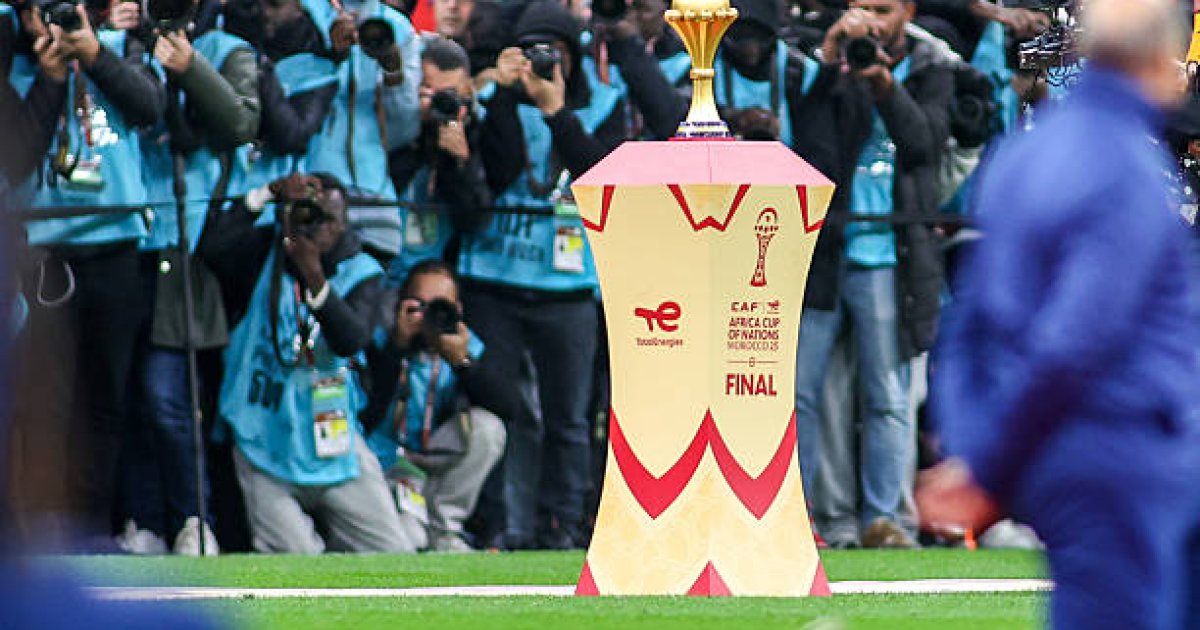
The Confederation of African Football (CAF) Executive Committee has unanimously decided to revert the CAF Africa Cup of Nations (AFCON) to a two-year cycle, reversing a December 2025 plan that would have shifted the tournament to every four years after 2028.?
Announced on Thursday, 29 October 2026, the decision prioritises the financial health of African football and the interests of CAF’s 54 member associations.
CAF President Dr Patrice Motsepe had flagged the review at the CAF Strategy Conference in Cabo Verde earlier in October, noting that the proposed Africa Nations League — intended as a biennial replacement — would need several years to deliver substantial revenue.?
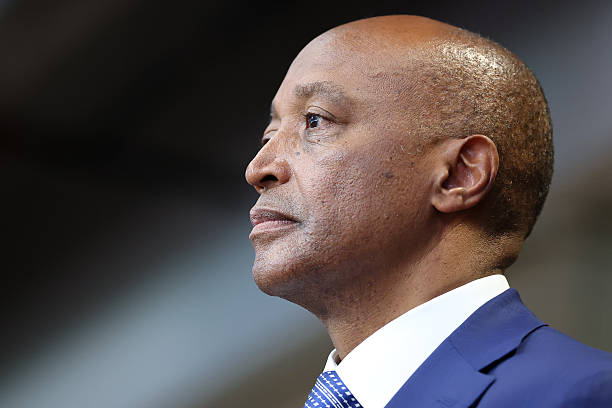
“The decision by the CAF EXCO that the CAF AFCON should take place every Two Years was based on advancing, protecting and promoting the interest of African Football and CAF’s 54 Member Associations, as well as the interest of African players employed by Football Clubs outside Africa,” Motsepe said. He added that the Nations League would take too long to become “globally competitive and self-supporting.”?
The next edition remains set for 2027 in Kenya, Tanzania and Uganda — the first joint East African hosting. Subsequent tournaments will follow in 2028, 2031 and 2033. No AFCON will be held in 2030 to respect FIFA World Cup tradition.?
Changes Since Inception
AFCON launched in 1957 in Sudan with just three teams (Egypt, Sudan, Ethiopia). It became a regular biennial event from 1968, expanding steadily. A shift to odd-numbered years began in 2013 to avoid World Cup clashes. The field grew to 16 teams in the late 1990s and to 24 in 2019. Timing has varied between winter and summer slots due to climate, European club calendars and other FIFA events, but the two-year rhythm largely held until the 2025 reform attempt.?
That December 2025 announcement, made during the Morocco edition, aimed to align AFCON with the European Championship and World Cup cycle while launching an annual African Nations League from 2029 for steadier income. AFCON has historically generated around 80% of CAF’s revenue, making the four-year gap a high-stakes gamble.?
Arguments For and Against
Supporters of the biennial return, including a large majority of member associations (reports suggested around 90% favoured it), argue it sustains development, gives national teams more competitive opportunities, boosts player visibility for European clubs, and maintains regular hosting and economic benefits across the continent.
Coaches such as Ivory Coast’s Hervé Renard and DR Congo’s Sébastien Desabre publicly backed keeping the two-year format, citing improved team progress and the loss of CHAN as further reasons for frequent high-level matches.?
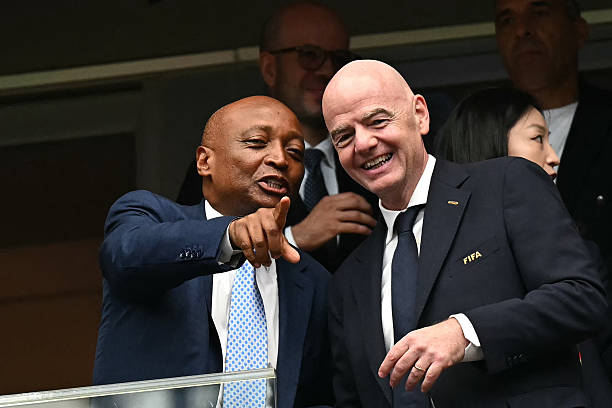
Critics of the frequent cycle pointed to calendar congestion for Africa-based European stars, club frustrations over mid-season absences, and the chance for greater commercial growth by matching other major tournaments’ scarcity and prestige.
FIFA had previously floated a four-year model. Motsepe himself had once defended the original change as promoting “synchronisation” and financial independence, but later emphasised African priorities after consultation.?
Implications
Restoring the two-year cycle secures CAF’s primary cash flow in the short term and preserves AFCON’s role as Africa’s premier showcase. It delays or softens the Nations League project and keeps more frequent high-stakes football on the continent. Hosting opportunities increase, infrastructure investment remains incentivised, and players get regular continental exposure.
The 2030 World Cup gap is the main calendar exception.
For fans, the decision means more AFCON drama sooner. The 2027 East African co-hosting already builds anticipation. Motsepe expressed confidence it “will be very successful,” underlining that the move serves long-term African football interests over external pressure.?
The reversal reflects strong member-driven feedback and a pragmatic focus on revenue reality. African football’s flagship competition is once again set to return every two years — the rhythm that defined it for most of its nearly 70-year history.
88.9 FM
Outside the Arena (Eyewitness account) with Adebanjo and Anthony
Comments
0Be the first to comment on this article.