
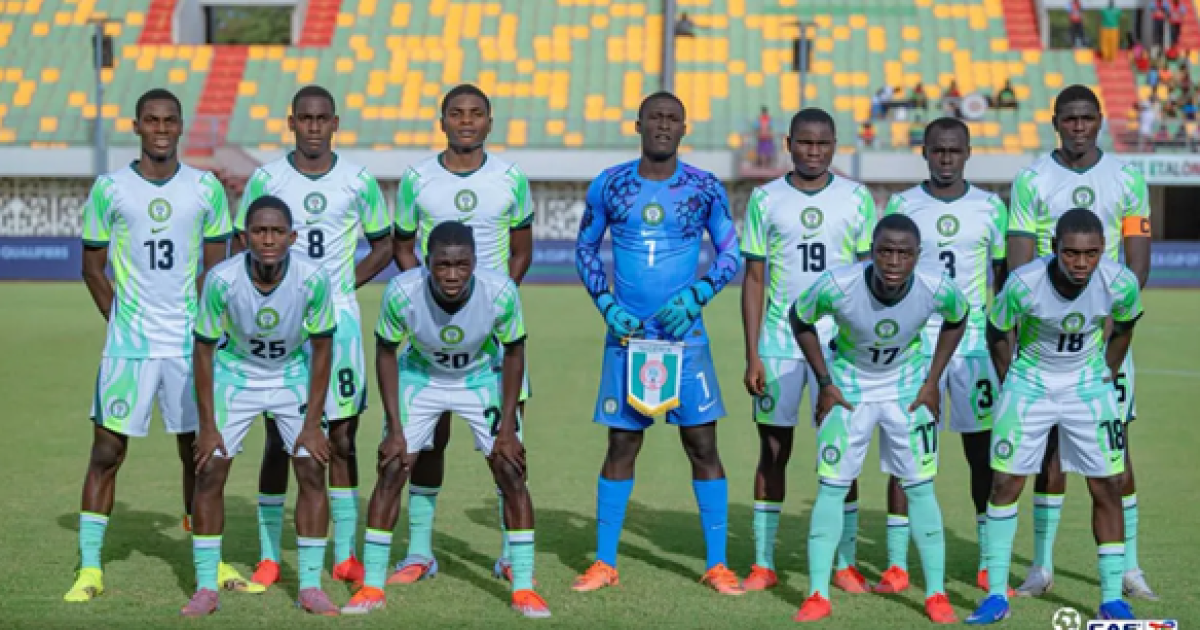
Nigeria’s Golden Eaglets, the five-time FIFA U-17 World Cup champions, have been eliminated from the 2026 WAFU B Championship after a 1-1 draw with Côte d’Ivoire in Ouagadougou. Off the back of an earlier 2-1 defeat to Niger, the result left the team bottom of their group and confirmed they will miss the 2027 U-17 Africa Cup of Nations which serves as qualifier for the FIFA U-17 World Cup.
It is the third consecutive U-17 AFCON absence and extends their World Cup exile that began after 2019.
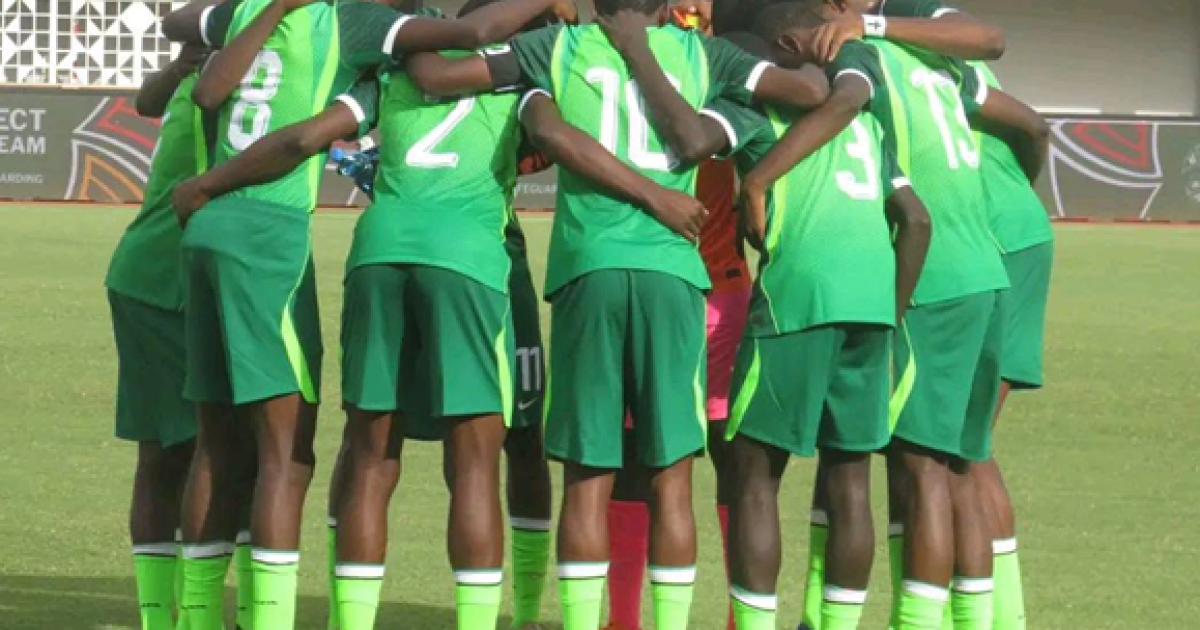
The latest setback is not an isolated disappointment. It exposes deep, longstanding problems in Nigerian youth football development: weak administration, inconsistent coaching, inadequate scouting, and chronic lack of infrastructure.
Administration and Short-Term Planning
Nigeria Football Federation (NFF) approaches to age-grade teams have frequently been reactive. Squads are often assembled through rushed screening camps weeks before tournaments rather than through sustained programmes.
Former players and analysts have repeatedly criticised the “fire-brigade” style of preparation that replaces the year-long camps of successful eras. Without clear long-term youth development plans, continuity suffers and accountability remains limited. Political influence and last-minute decision-making further undermine structured pathways from grassroots to national teams.
Coaching Continuity and Standards
Technical leadership has lacked consistency and modernisation. Coaching changes often recycle familiar names without rigorous performance evaluation or investment in coach education. Youth coaches need continuous professional development, clear playing philosophies that cascade across age groups, and time to implement them.
Short preparation windows leave little room to build tactical cohesion or physical conditioning to the levels required against better-organised opponents.
Scouting and Talent Identification
Nigeria still produces raw talent in abundance, yet systematic nationwide scouting remains weak. Identification is often limited to brief trials rather than year-round monitoring through schools, community leagues and regional centres.
Talented players are frequently lost to unstructured environments or leave the country early without proper developmental support. Effective talent pipelines require trained scouts, data-supported tracking, and partnerships with academies and clubs so that the best players are known, monitored and progressed at the right pace.
Infrastructure Deficit
Quality training facilities, dedicated youth hostels, sports science support and modern pitches are scarce. Many young players train in poor conditions that limit technical and physical growth. Stadium shortages force over-reliance on a few venues, while regional development centres remain underdeveloped. Without consistent access to proper infrastructure, even the most gifted athletes struggle to reach international standards.
African Neighbours Showing the Way
Several African countries have demonstrated that sustained investment and structure deliver results. Morocco’s Mohammed VI Football Academy and regional network, backed by long-term federation strategy and government support, have produced a steady flow of technically proficient players. The country has translated this into senior World Cup success, multiple youth titles and strong domestic competition.
Senegal has built a broad base of academies and a clear pathway that moves players from U-17 through U-20 and into the senior setup, yielding consistent continental success across age groups.
Ghana continues to produce competitive youth sides through relatively structured talent identification and competitive domestic youth programmes. These nations emphasize governance, coach education, year-round competition and infrastructure rather than relying solely on individual brilliance.
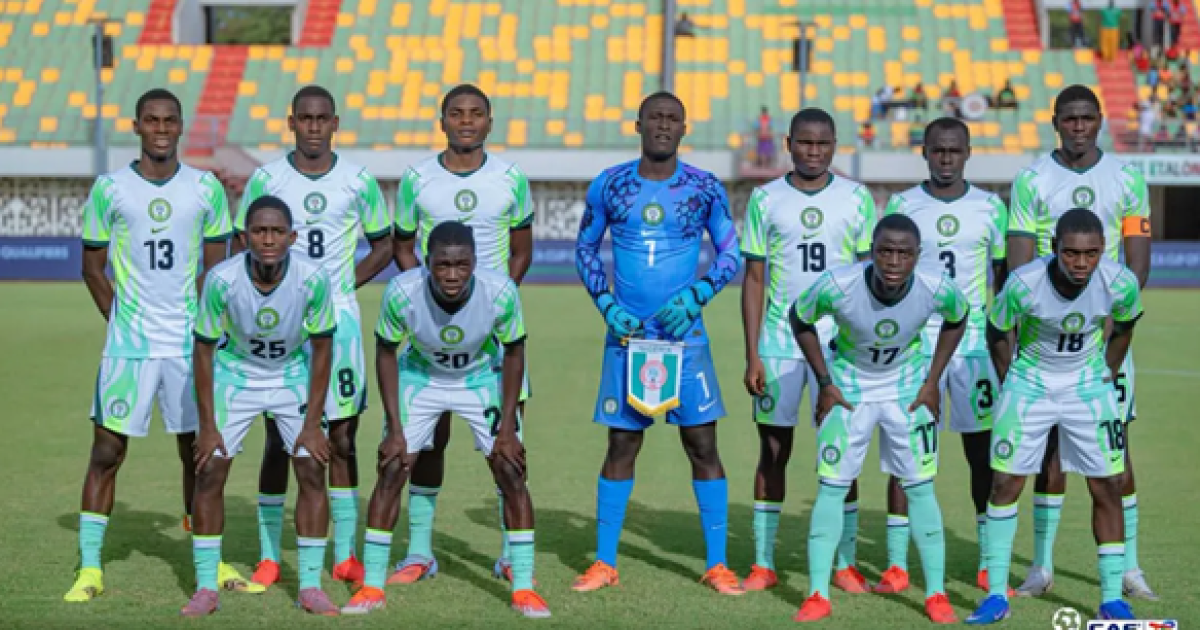
Nigeria’s historic dominance at U-17 level proved what is possible when preparation, discipline and systems align. The current cycle of early exits shows those foundations have eroded.
Rebuilding requires professionalised administration free from short-term politics, performance-based coaching appointments, a nationwide scouting network linked to regional development centres, and genuine investment in pitches, sports science and player welfare.
Only then can the Golden Eaglets return to the standard their five World Cup titles once set, and only then can Nigerian youth football once again serve as a reliable pipeline to senior success.
88.9 FM
Sports Trend with Adebanjo Ogunseye and Anthony Bekederemo
Comments
0Be the first to comment on this article.