

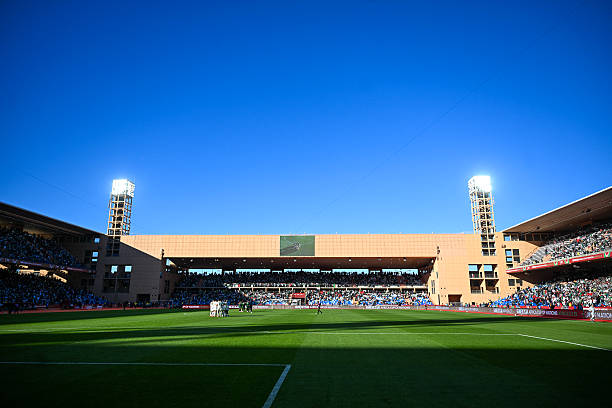
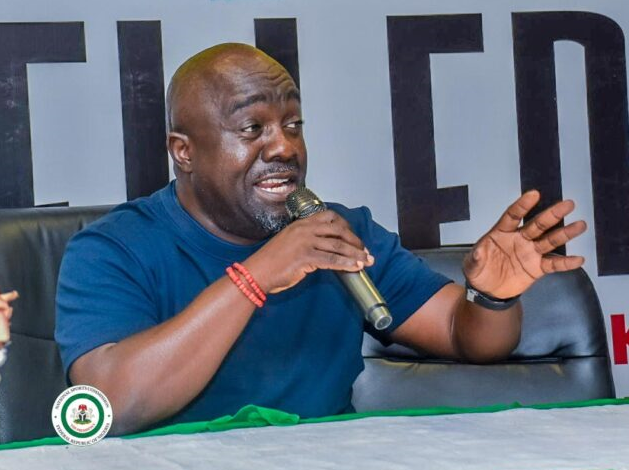
National Sports Commission (NSC) DG, Bukola Olopade has called for urgent and aggressive investment in sports infrastructure development in Nigeria, following Morocco’s successful hosting of the 2025 AFCON.
He said Morocco’s organization of the tournament should serve as a strong motivation for Nigeria to fix its sporting facilities.
Olopade stressed that a nation’s ability to host high-profile sporting competitions is directly tied to the quality of its infrastructure, noting that Nigeria must take decisive action.
According to him, the productive value of sports can only be realized if the country is able to host and attract major events, which makes aggressive infrastructural development non negotiable.
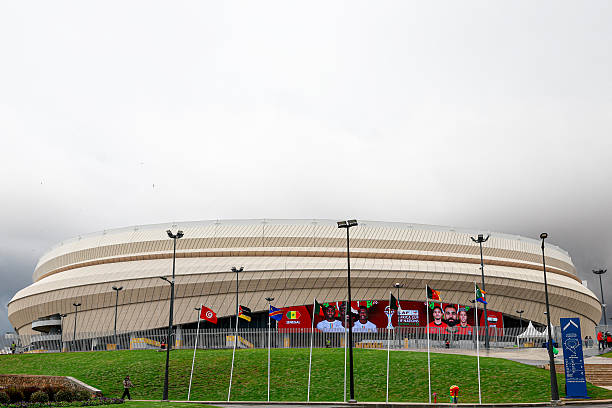
“As a people, we have said that the productive value of sports must be seen from our ability to bring and attract major events of this nature.
This means the issue of infrastructure, which people have been talking about, we now have to be aggressive about.
From the point of view of the NSC and the country, we must go out now and fix our facilities not only in football, but in other sports as well,” Olopade said.
Nigeria currently has only one CAF-accredited stadium, the Godswill Akpabio International Stadium in Uyo, which has a seating capacity of 30,000.
This limited number of approved facilities highlights the country’s infrastructural deficit, especially when compared with other African nations that regularly host continental tournaments.
In a bid to address this gap, the Federal Government of Nigeria, through the NSC, has announced plans to renovate the Moshood Abiola National Stadium in Abuja.
The government has earmarked approximately ₦24.64 billion (over $16 million) for the renovation and upgrade of the stadium as part of the proposed 2026 budget.
Also read: Super Eagles’ Team Spirit Better than Ever… Lawal, Adepoju Admits
However, beyond these two stadiums one fully functional and the other slated for renovation Nigeria is dotted with several large but abandoned sports facilities.
The National Stadium Lagos, once the country’s premier sports venue, has been largely abandoned for over two decades, with collapsed roofs, overgrown vegetation, and lack of stable power supply.
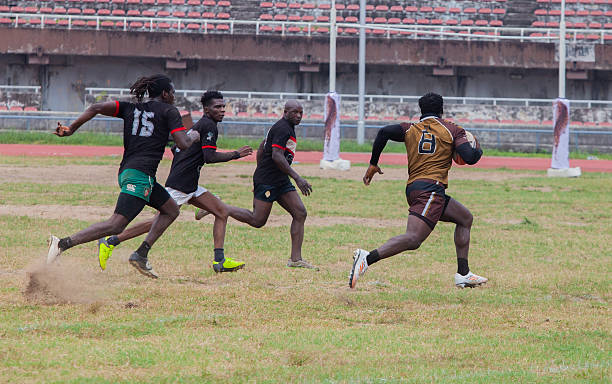
The Plateau Olympic Stadium Jos, has also been abandoned for more than 30 years, despite reportedly consuming billions of naira without completion.
Similarly, the Stephen Keshi Stadium in Asaba suffered prolonged delays before being partially put to use, reflecting persistent issues with project execution.
Another example is the Ugborodo Mini-Stadium in Delta State, a FIFA-funded project, that has remained abandoned due to severe flooding caused by its close proximity to water.
Nigeria’s sports infrastructure crisis is further worsened by a long-standing culture of poor maintenance, abandoned projects, and the absence of accountability.
Facilities are often commissioned without clear plans for upkeep, while stalled projects are left to decay.