
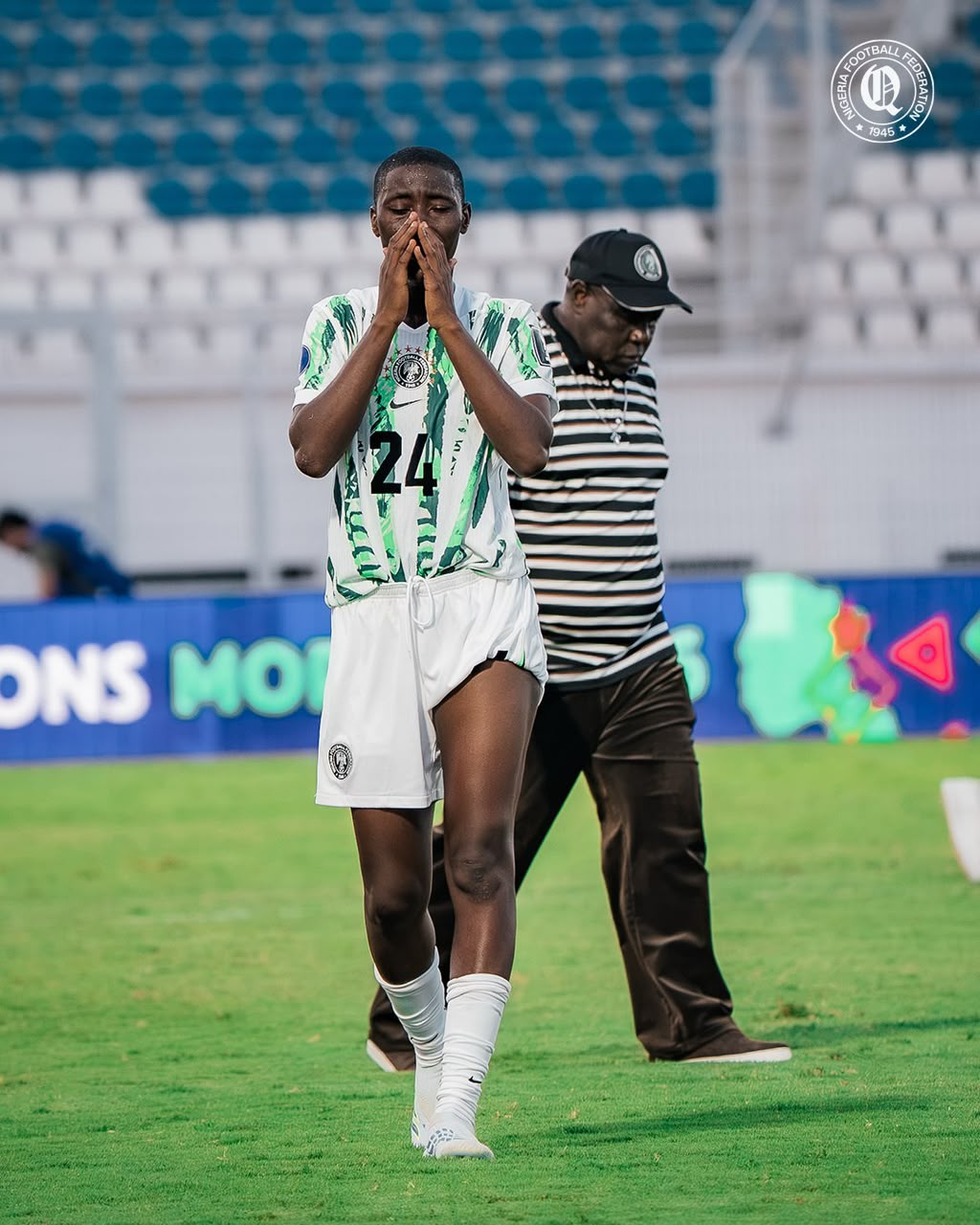
For years, the Women’s Africa Cup of Nations had followed a familiar script whenever Nigeria’s Super Falcons arrived but On Sunday in Casablanca, the script finally changed.
They would stumble. They would struggle. They would sometimes flirt with danger.
But somehow, when the decisive moment came, Nigeria always found a way.
Not this time.
For the first time in the history of the tournament, Nigeria will not compete for a medal.
For the first time, the Super Falcons have failed to reach the WAFCON semi-finals.
And because the 2026 WAFCON doubles as Africa’s qualifying tournament for the 2027 FIFA Women’s World Cup, the defeat also cost Nigeria an automatic ticket to next year’s global showpiece in Brazil.
The Super Falcons are not out of the World Cup race yet but instead of preparing for Brazil as one of Africa’s four automatic qualifiers, Nigeria must now navigate a long and unforgiving playoff route.
The fall from champions to quarter-final casualties could hardly have been more dramatic.
A Record That Finally Came to an End
Nigeria entered the tournament carrying the weight of history.
The Super Falcons are the most successful team in African women’s football, having won the WAFCON 10 times.
They had also reached the semi-finals at every previous edition in which they participated.
That extraordinary run is now over.
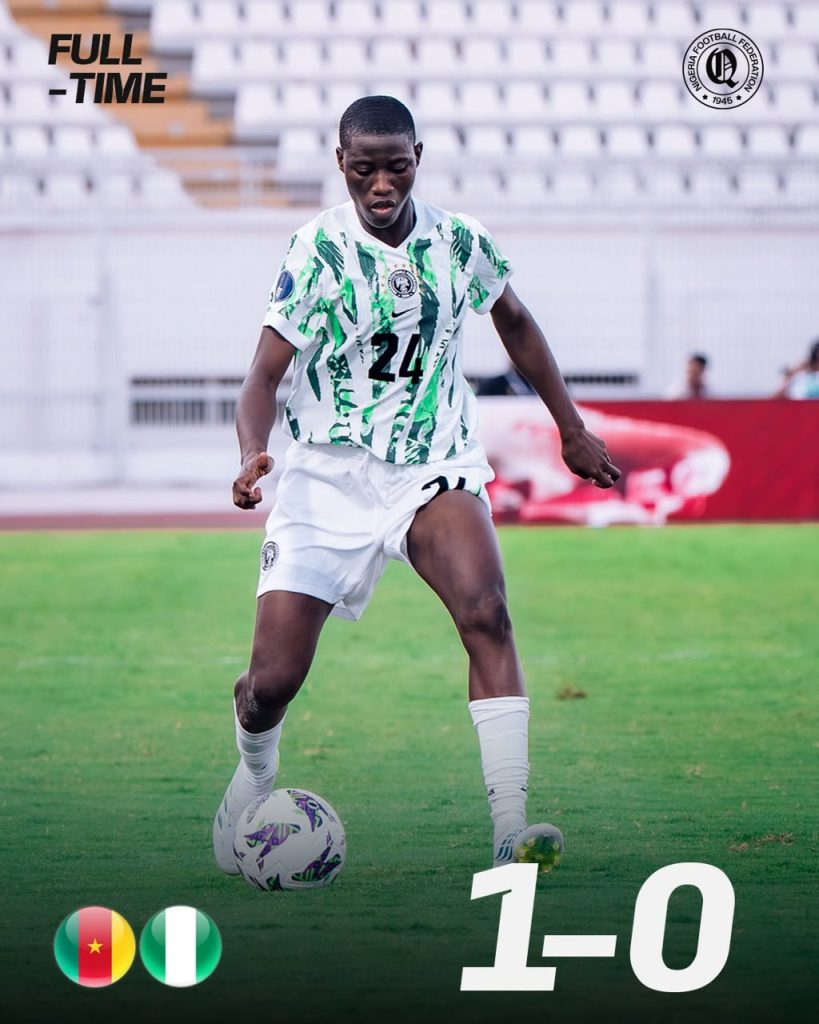
Cameroon have become only the second team in WAFCON history to defeat Nigeria at the tournament in open play, following their previous victory in the bronze-medal match at the 2012 edition.
This victory, however, was worth far more than three points or bragging rights.
It sent Cameroon into the semi-finals.
It guaranteed the Indomitable Lionesses qualification for the 2027 FIFA Women’s World Cup.
And it ended Nigeria’s title defence at the earliest stage the Super Falcons have ever experienced at the competition.
A new African champion will now be crowned in Morocco.
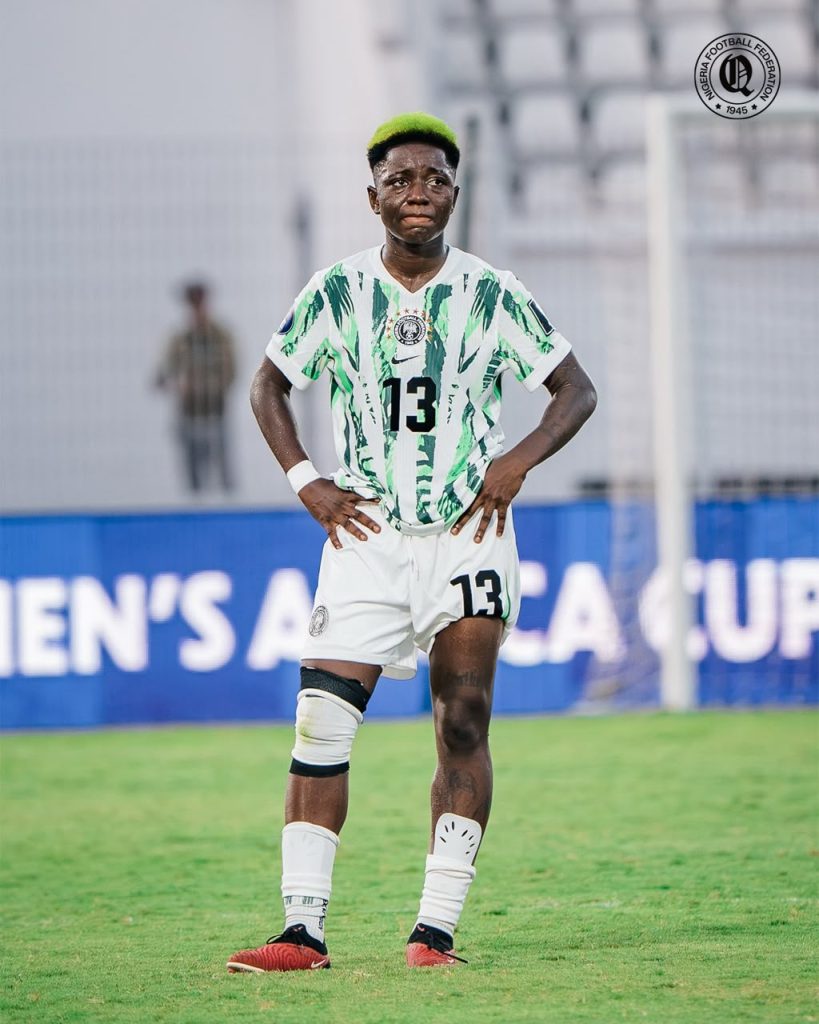
One Moment Changed Everything
Nigeria actually started the quarter-final with intent.
Rasheedat Ajibade tested Cameroon goalkeeper, Michaely Bihina inside the opening minute, immediately signalling that the Super Falcons were not prepared to sit back.
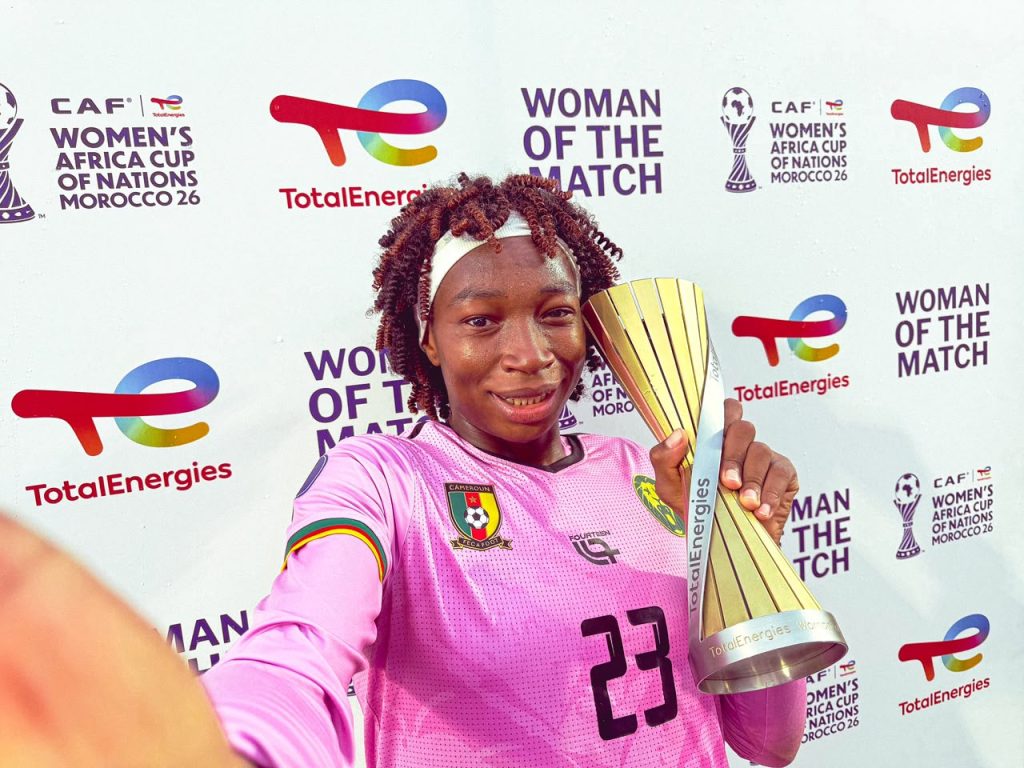
However, the match would eventually become a frustrating battle between Nigeria’s attack and a Cameroonian goalkeeper who appeared determined to keep everything out.
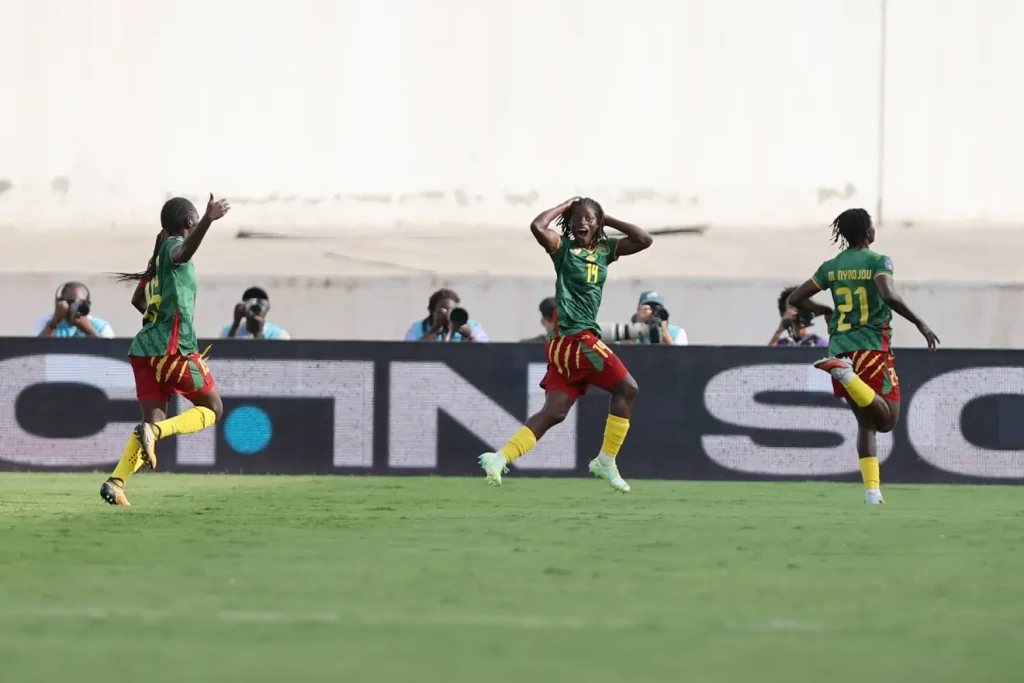
In the 19th minute, Jennifer Echegini conceded a free-kick in a dangerous position, and Cameroon’s 20-year-old Myriam Nyadjou Wamen stepped forward.
What followed was spectacular.
Nyadjou unleashed a thunderous effort from distance that flew into the top corner beyond the reach of Chiamaka Nnadozie.
Cameroon were ahead.
And remarkably, that was enough.
Despite Nigeria’s sustained pressure for the remainder of the contest, the Indomitable Lionesses refused to surrender their advantage.
Nigeria Had Chances. Cameroon Had Bihina
Nigeria’s biggest problem was not a lack of opportunities.
It was what they did with them.
Uchenna Kanu came close to finding an equaliser, but Bihina repeatedly stood in the way.
The Cameroonian goalkeeper produced one of the saves of the tournament in the 70th minute, stretching out a strong hand to deny Kanu’s powerful header.
Nigeria kept coming.
Cameroon kept defending.
And with every missed opportunity, the clock moved closer to Nigeria’s elimination.
The defining opportunity eventually arrived deep into stoppage time.
Substitute Esther Okoronkwo broke through the Cameroonian defence with Asisat Oshoala arriving unmarked beside her.
Oshoala was presented with what would have been one of the simplest finishes of her career but Okoronkwo chose to shoot.
Her effort beat Bihina.
It also missed the post by the smallest of margins.
The ball rolled agonisingly wide.
Nigeria’s final chance had disappeared.
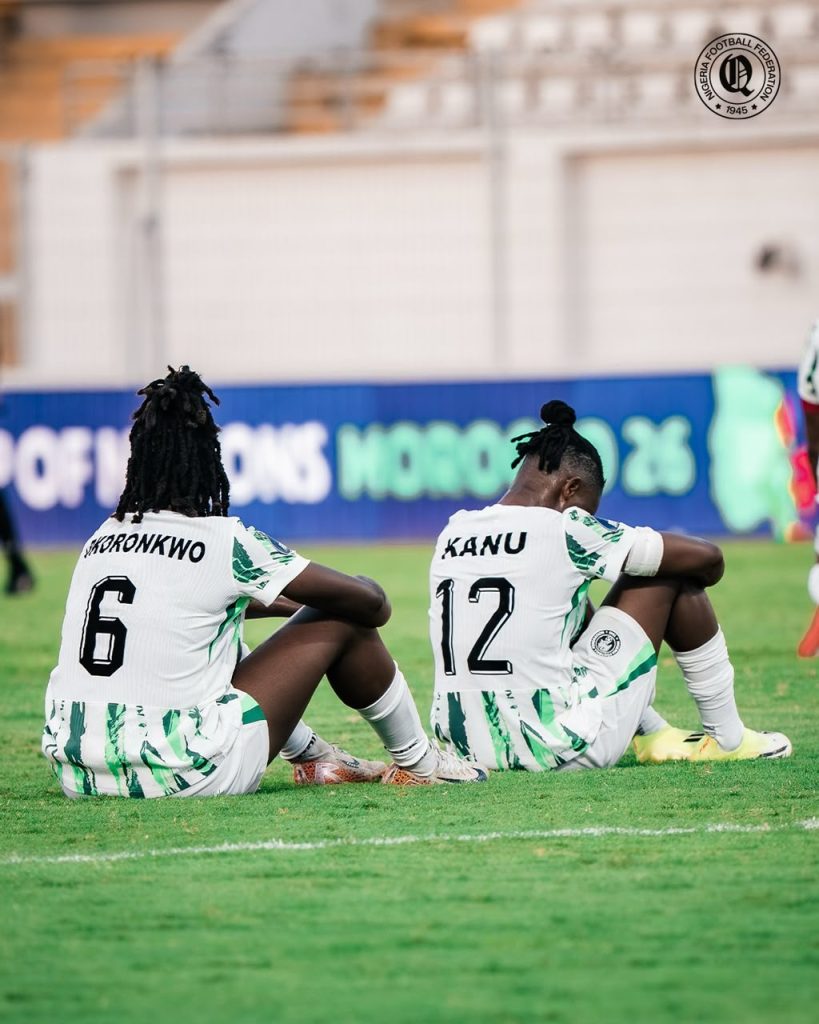
Oshoala’s furious reaction immediately became one of the defining images of the defeat, but coach Justin Madugu insisted the incident did not represent a split within the squad.
“To the best of my mind, there is no problem in the camp with the girls,” he said.
“All the players are on the same page, working together. It is just one of those things that can happen in the course of the game.
“I am sure Esther felt she could have scored that’s why she made the attempt, and probably should have passed to Oshoala who would have scored.”
“It doesn’t mean there’s any division.”
It was particularly painful because Okoronkwo had been one of Nigeria’s most important players during their title-winning campaign last year.
She scored twice, supplied six assists and was named player of the match in the final against Morocco.
This time, one decision became one of the most painful moments of Nigeria’s tournament.
Nigeria Simply Were Not Clinical Enough – Coach Madugu
For Super Falcons head coach, Justin Madugu, the explanation was straightforward.
Nigeria created enough opportunities to change the result.
They simply failed to take them.
“It was not our intention to lose. If we had been more clinical, the game could have been different.”
The coach also gave Cameroon credit for the way they defended their lead.
“I like to give Cameroon credit,” he said.
“They did not qualify initially but came in as one of best ranked teams.”
“They came first in their group, winning their two games and drawing against Cape Verde, in match that did not matter as far as position is concerned.”
“Today, they did best they could and defended very well, but we created a lot of chances.”
“If we had converted our chances, the result would have been different.”
It was a painful admission from a Nigerian side that had entered the tournament expecting to defend its crown.
The Goalkeeping Question Returns
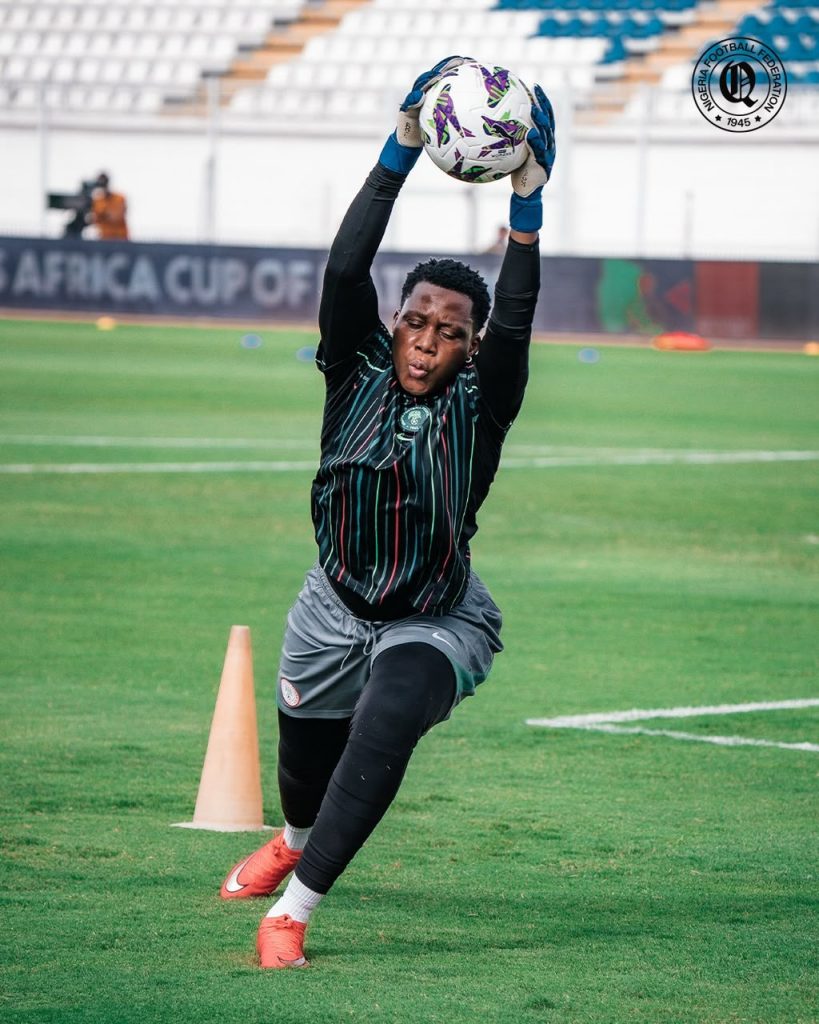
The defeat has also renewed questions around Nnadozie.
The Nigerian goalkeeper, widely regarded as one of the finest goalkeepers in women’s football, had already endured a difficult tournament.
She conceded three goals against Malawi in Nigeria’s opening match.
Although she recovered to help Nigeria defeat Zambia, she looked uncertain at times against Egypt before the Cameroon quarter-final.
Then came Nyadjou’s free-kick.
The goal was Cameroon’s only real shot on target of the match.
And for Nigeria, it proved decisive.
After organising her wall, Nnadozie appeared not to react quickly enough as Nyadjou’s effort flew into the top corner.
The Super Falcons now face a crucial World Cup playoff campaign, making consistency in goal even more important.
Another Problem: Nigeria’s Left Side
The defeat also exposed tactical concerns that had been developing throughout the tournament.
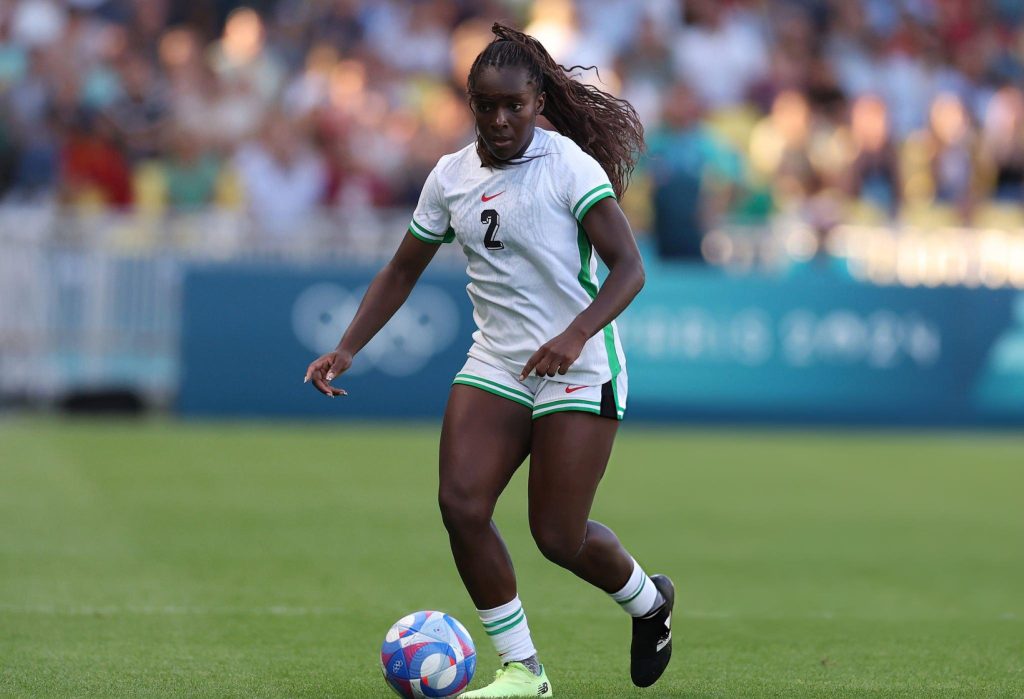
Michelle Alozie’s continued use at left-back has become increasingly questionable.
Alozie was originally a forward before being converted into a right-back under former coach Randy Waldrum.
Her natural strength is attacking from the right but with Nigeria needing a reliable option on the left, she has increasingly been asked to operate in an unfamiliar role.
Glory Ogbonna and Rofiat Imuran were available as natural options, yet neither appeared to have Madugu’s full confidence.
Shukurat Oladipo has also been used at right-back despite being more naturally suited to central defence.
The result has been an imbalance.
When Nigeria needed their full-backs to provide width and support their forwards, the movement was often missing.
Alozie struggled to make the same attacking impact from the left that she can produce on the right, while Nigeria’s build-up frequently became predictable.
Against a Cameroon side that defended deep and compactly, those shortcomings became even more obvious.
– Read More: Cameroon Ends Super Falcons WAFCON Reign, Shatters Knock Out History
– Read More: “STOP TALKING, START WINNING!”- Stella Mbachu Fires Blunt Warning to Super Falcons
– Read More: “WE CAN’T AFFORD TO SLIP!” – Super Falcons Demand Perfection in WAFCON Quarter-Final Chase
The Super Falcons Were Better But Not Good Enough
There is an important detail that should not be lost amid the disappointment.
Nigeria’s performance against Cameroon was arguably their best overall showing of the tournament.
They moved the ball better.
They competed physically.
They won tackles and second balls.
They spent long periods inside Cameroon’s half.
They created opportunities.
But football is often decided by the moments that matter most.
Nigeria could not find the equaliser.
Cameroon could.
That was the difference.
Madugu rejected suggestions that financial incentives had affected the players’ decision-making.
The National Sports Commission had promised the Super Falcons N10 million for every goal against Egypt in their final group game, while an NFF source said two private individuals had separately pledged $10,000 for every goal scored.
But Madugu did not believe those promises had affected the team’s finishing.
“I wouldn’t say it’s to do with promises made by NSC,” Madugu said.
“In all games played we didn’t create the kind of chances we made.”
“We just weren’t clinical with finishing, this why they couldn’t score goals from chances created.”
Cameroon Who Came as Underdogs Are World Cup Qualifiers
The irony of Nigeria’s elimination is that Cameroon entered the tournament under very different circumstances.
The Indomitable Lionesses only made the WAFCON after CAF expanded the tournament and admitted additional teams based on rankings.
Instead of treating that opportunity as an invitation to participate, Cameroon turned it into an opportunity to make history.
- They topped Group D.
- They defeated Mali.
- They defeated Ghana.
- They drew with Cabo Verde.
- Then they defeated Nigeria.
Their coach Valentine Nguele had openly acknowledged Nigeria’s status before the quarter-final.
“We have a great match upon us. A big quarterfinal. It is an important match for us and we are ready.”
“We must admit that Nigeria is a great football team. They are the favourites. They have won the title 10 times.”
“We need to accept that.”
But he also insisted Cameroon would not be intimidated.
“I like to think about the present. We are now here in the quarterfinals. We are in the correct head space.”
“We got a second chance to play at the tournament because it was expanded [from 12 to 16 teams].”
“Thank God for this opportunity to play in this WAFCON. This is an opportunity for us to do our best.”
“Reaching the last eight is a bonus for us.”
That “bonus” has now become a World Cup ticket.
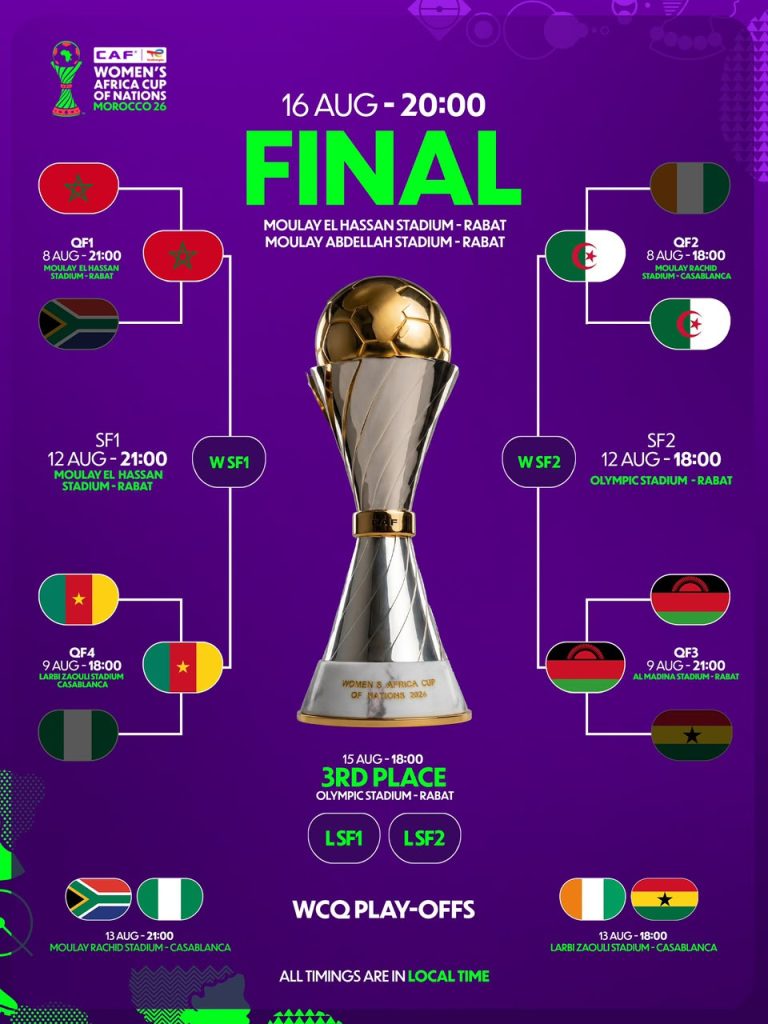
Nigeria’s Historic Streak Is Gone
Nigeria’s elimination is bigger than one quarter-final defeat.
It represents the end of an era.
- The Super Falcons had never previously failed to reach the last four of the WAFCON.
- They had never been eliminated in the quarter-finals.
Now they have.
And because the semi-finalists automatically qualify for the 2027 Women’s World Cup, Nigeria have also lost their direct route to Brazil.
The Super Falcons had qualified for every edition of the Women’s World Cup since the competition began in 1991.
That record is now in serious danger but it has not ended yet.
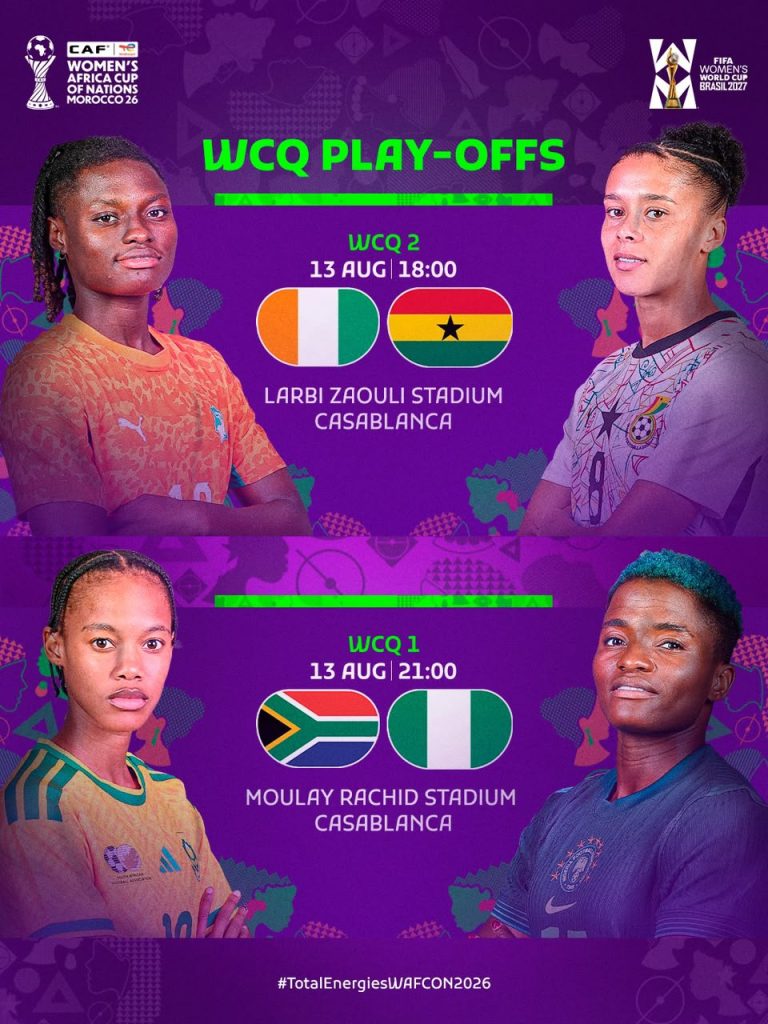
The Long Road to Brazil Begins on Thursday
Nigeria’s World Cup dream remains alive but the route is now significantly more complicated.
The four teams that lose their WAFCON quarter-finals enter an additional African playoff.
Nigeria are scheduled to face South Africa on Thursday after Banyana Banyana were eliminated by hosts Morocco.
Victory would keep Nigeria alive and send them into FIFA’s intercontinental playoff process but even winning that game will not be enough.
The Super Falcons would then face a preliminary six-team group involving teams from different confederations.
The matches are scheduled to take place between November and December.
Only the top two teams from that group will progress.
They would then join four higher-ranked teams that have received byes into the final stage.
That final phase will be played as single knockout matches in February 2027.
Three teams will ultimately emerge from that process with World Cup qualification.
In other words, Nigeria’s road to Brazil has gone from four straightforward WAFCON semi-finalists earning automatic tickets to a much longer route involving multiple matches, different confederations and almost no room for another mistake.
Madugu and Super Falcons Refuses to Give Up
For all the pain, Madugu knows Nigeria cannot afford to spend too long mourning what has happened.
There is another game. Another chance. Another route.
And potentially another opportunity to preserve Nigeria’s extraordinary World Cup record.
“Going forward, as long as we still have the opportunity, we will not drop our guard,” he said.
“We will continue to work, exploit second chances. We will not give up, we must continue the fight.”
Now comes the part that will test this generation more than any WAFCON final ever could.
Nigeria must recover from the biggest setback in their tournament history, defeat another old rival in South Africa, survive the African playoff and then navigate a global intercontinental battle.
The Super Falcons have spent decades proving they belong at the top of African football.
Now, for the first time, they must prove they can fight their way back after falling from it.
