
The controversy surrounding Folarin Balogun‘s World Cup red-card reversal intensified and clarity started popping up on what exactly happened.
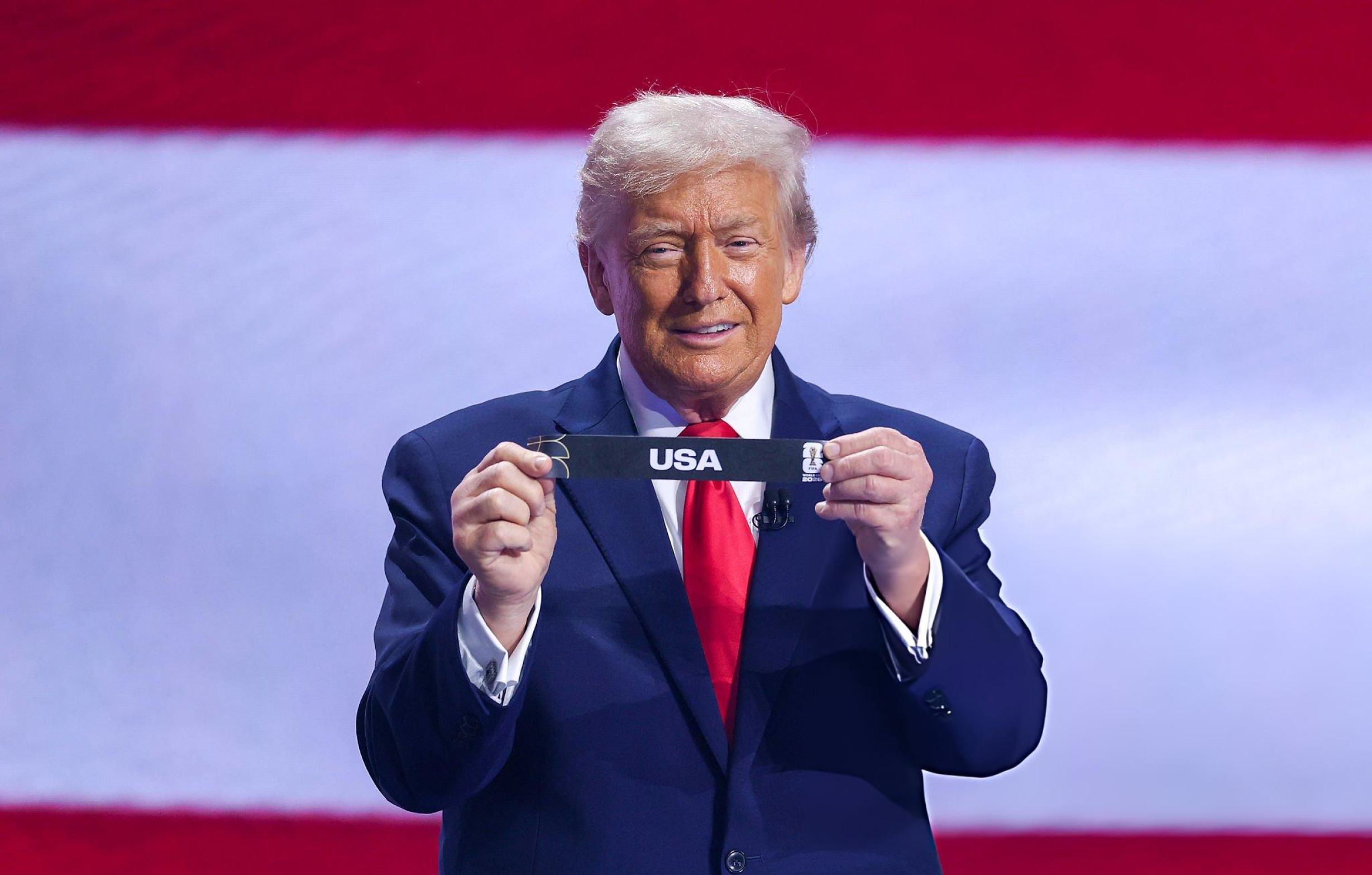
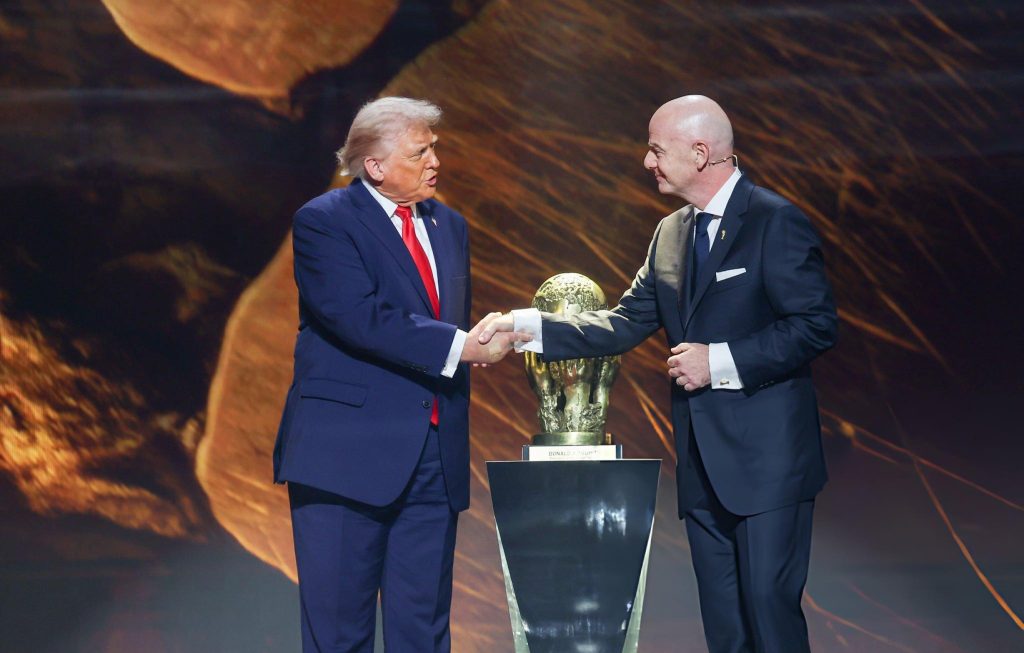
On Monday, United States President Donald Trump publicly confirmed that he personally contacted FIFA President Gianni Infantino to request a review of the decision that initially ruled the American striker out of the Round of 16.
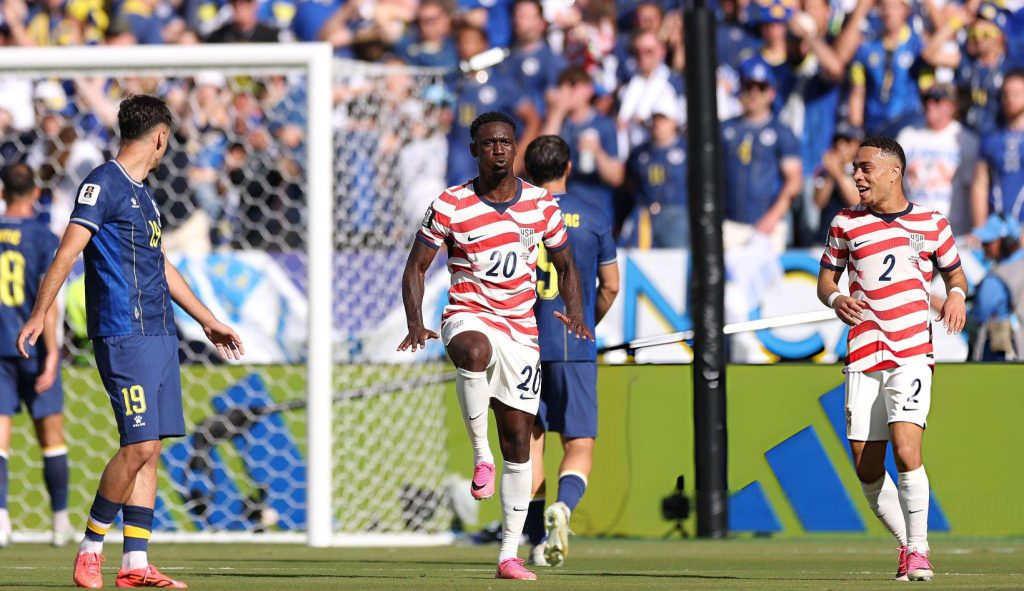
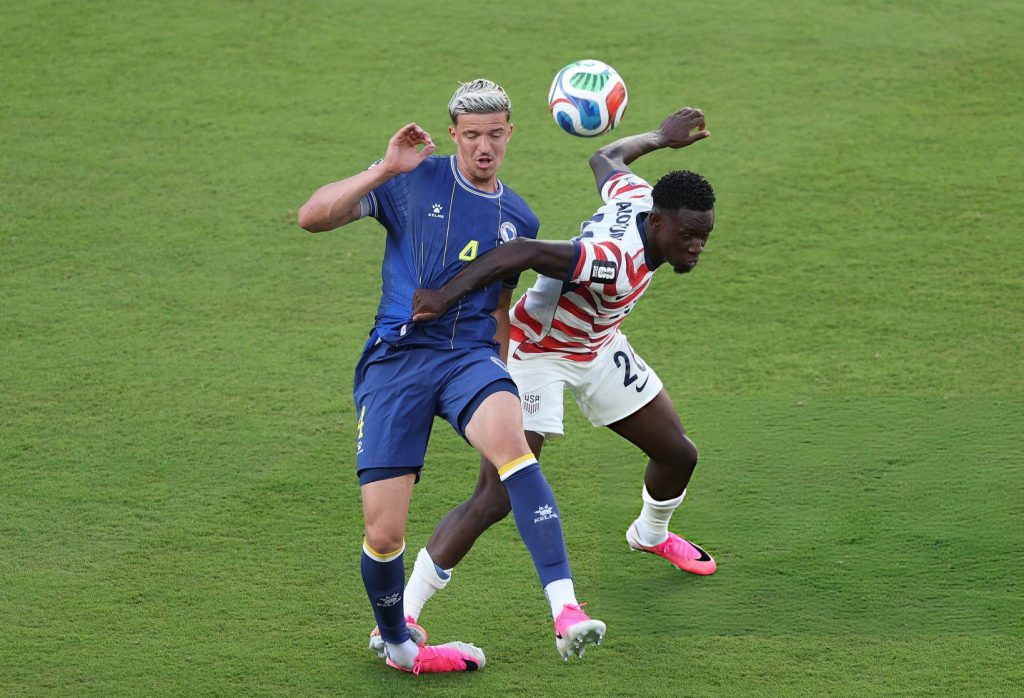
Balogun, one of the United States’ standout performers at the 2026 FIFA World Cup with three goals, had received a straight red card during the Americans’ 2-0 victory over Bosnia-Herzegovina in the Round of 32 after a VAR review deemed his challenge on defender Tarik Muharemovic worthy of dismissal.
The decision automatically triggered a one-match suspension, which would have ruled the Monaco striker out of the United States’ knockout clash against Belgium.
However, FIFA’s Disciplinary Committee invoked Article 27 of the FIFA Disciplinary Code on Sunday, suspending the implementation of Balogun’s automatic one-match ban for a probationary period of one year and making him immediately eligible for selection against Belgium.
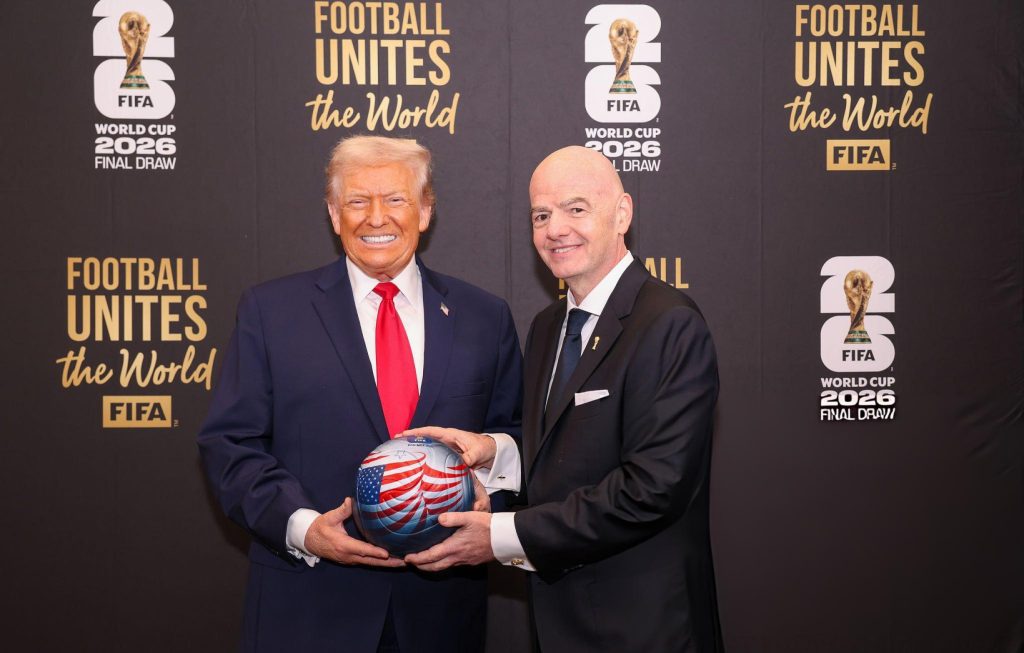
Trump Confirms He Asked FIFA to Review the Decision
Speaking during a White House media briefing on Monday, President Trump acknowledged contacting Infantino but insisted he merely requested that FIFA review the incident rather than interfere in the disciplinary process.
“All I did was ask for a review. I didn’t say, you have to do this,” Trump said.
“This man is a smart, tough man, Gianni Infantino.”
“He’s a smart, tough man, and his stock has gone through the roof because the job he has done has been great.”
“I feel like we have to have all the best players on the field.”
Trump admitted that he initially did not fully understand football’s disciplinary rules before learning the consequences of a red card.
“That’s very unfair,” he said.
“How do you penalize them for a game that hasn’t been played?”
The U.S. President also argued that VAR had unfairly influenced the referee’s judgment.
“I didn’t think it was a foul,” Trump said.
“I thought it was two great athletes that crashed each other and got entangled.”
“I saw the play, and I’m a person that loves sports; that wasn’t a foul. That wasn’t even an infraction”
“This referee, who is a little bit suspect if you check his past. He made a call that nobody could believe”
“He’s our best player, or one of our best players and he gave him a red card.”
“I didn’t know what that meant.”
“Yes, I asked for a review by FIFA. [Balogun] didn’t do anything wrong, and he’s our best player or one of our best players.”
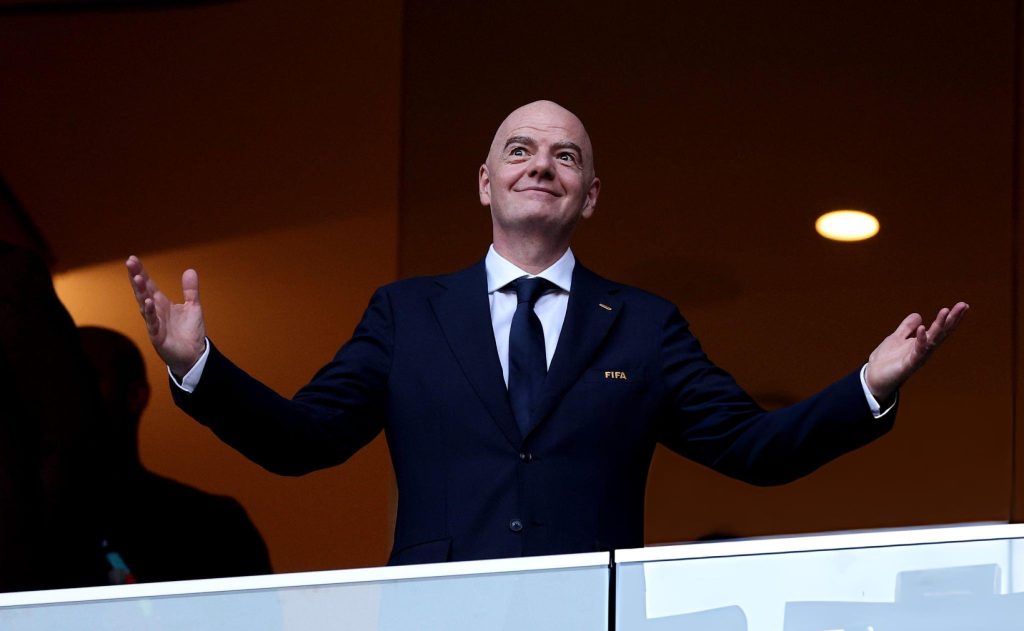
FIFA President Responds
Following Trump’s comments, FIFA President Gianni Infantino confirmed that the two had spoken but firmly rejected suggestions that political influence played any role in the disciplinary outcome.
Infantino stated that FIFA’s judicial bodies operate independently from the organisation’s leadership.
He said:
“FIFA’s judicial bodies are independent.”
“They operate autonomously, apply the FIFA Disciplinary Code, and decide cases based on the applicable regulations and the specific facts before them.”
“Their independence is essential to the credibility and integrity of football, and this must always be respected.”
“Yes, I regularly discuss matters related to the FIFA World Cup with the President of the United States, and on this matter, I did receive a call from President Donald Trump, just as I receive calls from heads of state, government officials, football stakeholders and business executives from around the world on many different issues.”
“During our conversation, I explained that there was an ongoing legal process involving FIFA’s independent judicial bodies and that the case would be decided in due course by the competent bodies.”
“That is how FIFA’s system works, and it is a principle that I will always uphold. I read the decisions of the FIFA Disciplinary Committee when they are issued.”
“Sometimes, I am surprised by them. Sometimes, I agree with them, and sometimes I disagree.”
“What I always do, however, is respect those decisions and the autonomy of the bodies that make them.”
“Whether we personally like a decision or not is irrelevant.”
“Respect for independent institutions and the rule of law is what protects the integrity of our competitions and the credibility of FIFA at all times.”
FIFA Explains Why Belgium’s Protest Was Rejected
The controversy deepened further after Belgium’s football federation formally challenged Balogun’s reinstatement.
FIFA rejected that request on procedural grounds.
In its statement, FIFA ruled that Belgium’s appeal was
“inadmissible on the grounds that the RBFA is not a party to the proceedings and, as such, has no standing to appeal the decision.”
The governing body also defended the legal basis for suspending Balogun’s ban.
“There are no provisions in the FIFA Disciplinary Code and the Regulations for the FIFA World Cup 26, that prohibit the FIFA Disciplinary Committee from exercising its discretion under Article 27 of the FIFA Disciplinary Code.”
Article 27 allows FIFA’s judicial bodies to suspend the implementation of disciplinary sanctions and place players on probation instead of immediately enforcing a suspension.
How Balogun Was Sent Off
Balogun had opened the scoring in the United States’ 2-0 victory over Bosnia-Herzegovina, netting in the 45th minute.
However, his evening changed dramatically in the 64th minute.
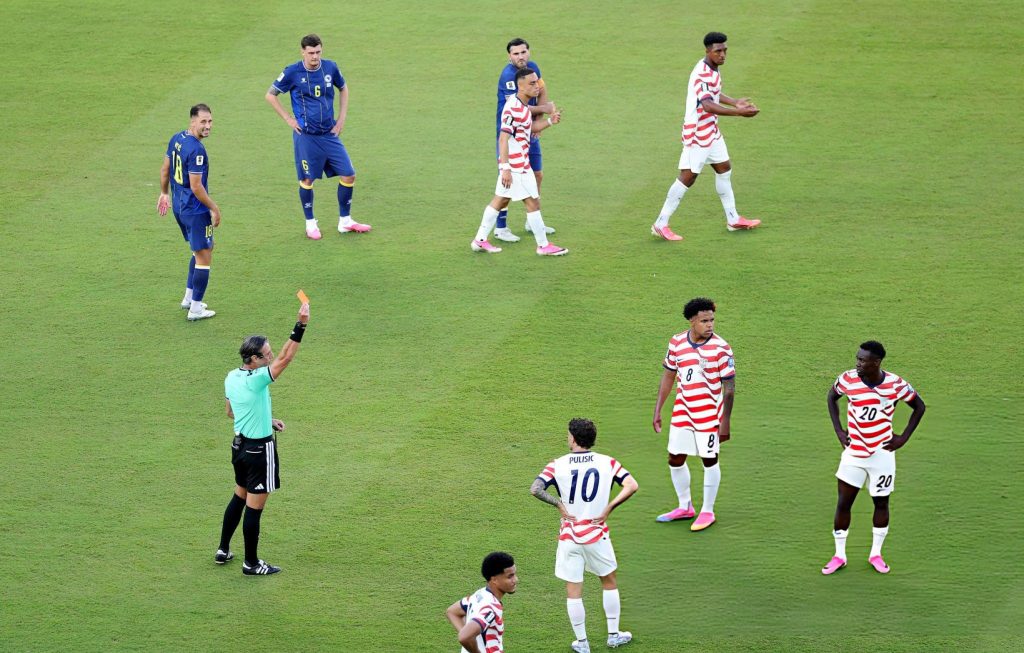
Following a VAR review, referee Raphael Claus upgraded his original decision and showed Balogun a straight red card after concluding his challenge on Bosnia-Herzegovina defender Tarik Muharemovic warranted dismissal.
The automatic suspension appeared certain to rule the striker out of the Belgium clash until FIFA’s dramatic intervention.
U.S. Government Says Appeal Included Additional Evidence
A U.S. government official later confirmed that President Trump and Infantino had discussed the case.
According to the official, the President wanted clarification over both the decision itself and the resulting suspension.
The official also revealed that American authorities assisted during the appeal process.
“The U.S. government provided additional evidence that was used in the appeal process.”
“Ultimately, the correct and proper outcome was achieved.”
U.S. Soccer Welcomes Decision
U.S. Soccer accepted FIFA’s ruling and immediately focused on the knockout clash with Belgium.
The federation said:
“We accept the decision of the Disciplinary Committee and are pleased that Folarin Balogun is eligible to compete tomorrow (Tuesday).”
“Our full attention is focused on the Round of 16 match against Belgium in Seattle, and we look forward to the continued support of our amazing fans.”
Referee Receives Strong Backing
While criticism of the decision to overturn Balogun’s suspension continued to grow, FIFA strongly defended Brazilian referee Raphael Claus, who originally issued the red card.
The governing body stated:
“Throughout his career, he has consistently demonstrated the highest standards of professionalism and integrity.”
FIFA Chief Refereeing Officer and Referees Committee Chairman Pierluigi Collina also backed the official.
“Raphael Claus is refereeing at his second FIFA World Cup having been with us in Qatar in 2022.”
“He is an experienced and highly respected referee and we maintain full confidence in him as a trusted match official.”
South American football’s governing body, CONMEBOL, also issued a statement praising Claus’ “professionalism, honesty, objectivity and professional suitability.”
Balogun Clearance Didn’t Stop Belgium
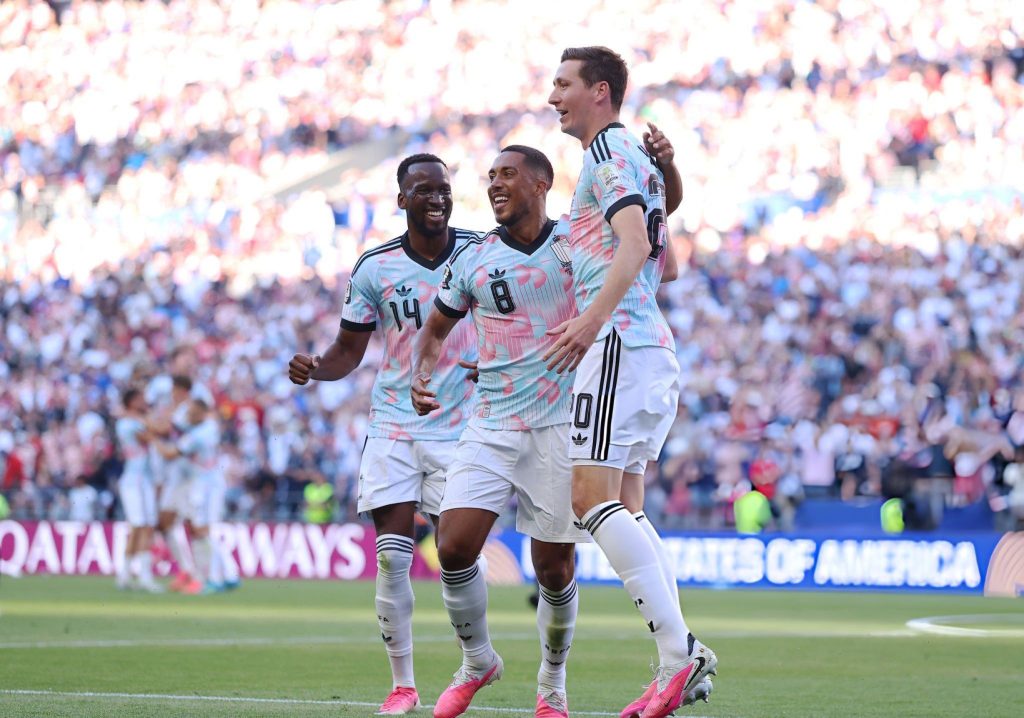
With his suspension deferred, Balogun was available for the United States as Mauricio Pochettino’s side attempted to reach their first World Cup quarter-final since 2002.
The Americans entered the match hoping to end a long Round of 16 curse but was humiliated by Belguim who defeated the host team.
– Read More: Overturn This! – Belgium Sends Message to Pres. Trump After Humiliating USA
USA’s previous eliminations by
- Ghana in 2010,
- Belgium in 2014,
- the Netherlands in 2022, and now
- Belgium in 2026
