
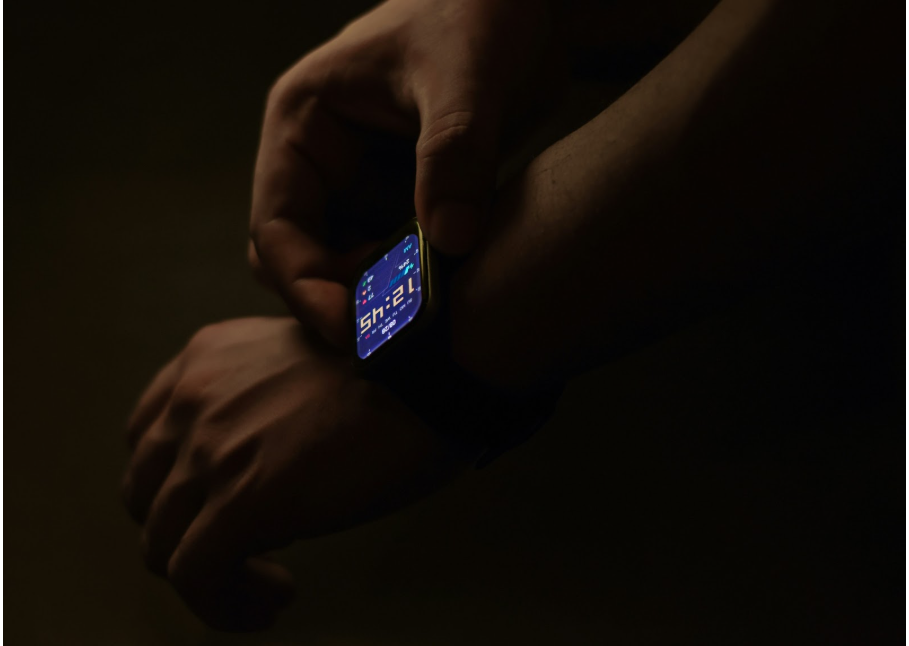
Sports training in modern Japan has been changing rapidly. As a result, it is likely that many aspects of training (methods) by 2025 will be dramatically different from those of the last decade.
With an increasing emphasis on movement data, muscle load, and reaction time, coaches today are less focused on strategy than they were ten years ago.
How Technology Makes Sports Betting Faster and Safer
Non-sports professionals have compared the emergence of these types of data within sports to those in other sectors, where numbers and prediction help guide decision-making, but for athletes, the ultimate objective is simply to understand the body and train safely.
For this reason, the current practice of sports training in Japan is more structured, controlled, and efficient than at any point prior to the past decade.
How Technology Became a Regular Part of Training
By the start of 2024, all top-level clubs in Japan were using data tracking camera systems and wearable tracking systems daily.
Some have drawn comparisons between the rise of sports technology tracking data to the rise of in Arabic ( تحميل تطبيق melbet) however, unlike betting, these tracking technologies are used for completely different purposes within the training process.
The technologies track an athlete’s running speeds, changes of direction, vertical jumps, heart rate, and sleep quality.
Instead of reviewing hours of video footage, coaches are able to get the information they need in seconds by opening up a small dashboard on their tablets to view the athlete’s overall performance from the previous day’s practice sessions, as well as review and identify any areas of the athlete’s technique that may be unusual or need improvement.
Key Technologies Used in Sport 2025
The table below shows a few devices that Japanese sports organizations use most often:
| Technology | What It Tracks | Typical Use |
| Wearable Sensors | Heart rate, speed, fatigue | Football, tennis |
| Motion Cameras | Jump angle, footwork, body posture | Basketball, volleyball |
| AI Dashboards | Summary of daily load | All major clubs |
| Recovery Pods | Muscle stress and rest | MMA, track and field |
Why Real-Time Data Matters for Coaches
One big change in how athletic and coaching staff get data will be how quickly data is provided from 2025 on.
The speed of the updates is so rapid that they have been referred to as ain Arabic “موقع مراهنات“- type refresh cycle, because the data appears in short, quick bursts.
Coaches were required to wait until tomorrow morning to receive the data they needed for their training sessions.
The data that coaches used to have to wait 24-48 hours to see is now displayed on the screen in front of them as they continue their workout session.
This enables coaches to quickly make decisions based on the current data available to them.
For example, if a defensive back appeared fatigued, the athlete could see his load reduced in real time during the same practice session.
An additional example would be if a basketball player were displaying an inconsistent shooting form, the coach can recognize and correct it with the first three or four attempts.
The AI evaluates movement patterns at speeds far greater than those of traditional methods. All connected equipment will provide data almost instantaneously and send it directly to the correct interface.
This allows the correct decision to be made immediately, rather than making adjustments several hours later.
Recovery and Injury Prevention Methods in Sport 2025
Sports are getting tough, so recovery is very important. In Japan, athletes use cold therapy, compression gear, simple muscle tools, and sleep trackers. These help them rest better and avoid getting hurt.
Sports scientists in Japan usually follow three main steps:
- Check signs of inflammation after hard sessions.
- Look at movement patterns to catch early warning signs.
- Balance intensity and rest, so the body does not break down.
This approach greatly reduces the risk of long-term injuries. Football clubs, especially, rely on it because many injuries occur due to overload rather than contact.
Volleyball, tennis, and MMA gyms use similar principles for protecting shoulders, knees, and spines.
Why Sport 2025 Is a Turning Point for Japanese Sports
Japan’s 2025 sports is significant, as technology is now a part of an athlete’s regular work routine and not an added item to an athlete’s list of equipment, and from youth academy programs to professional level teams all athletes can and do utilize the same type of tools and therefore, will be able to provide more consistent and comparable data when tracking an athlete’s performance.
The following are the major reasons why Sport 2025 is a turning point:
- Technology has become affordable enough for smaller clubs to purchase wearable technologies.
- AI systems can process data almost instantly.
- Ideas and philosophies behind training techniques are beginning to cross over between different sports.
- Coaches are trusting technology more than they ever have before.
As a result of this increased innovation, Japan’s athletic training is becoming more efficient; however, it is becoming less subjective and more objective.
No longer are athletes relying solely on “feeling” tired and/or feeling the right time to rest. They have solid evidence (numbers) showing how their bodies react and what needs to be adjusted.
The future of training in Japan’s sports organizations is expected to bring much more change.
Already, some football academies are testing “smart shoes” that track foot pressure, basketball gymnasiums are using automated shooting machines that analyze shots with no coaching presence, and MMA teams are using small sensors to measure grip strength during holds.
