
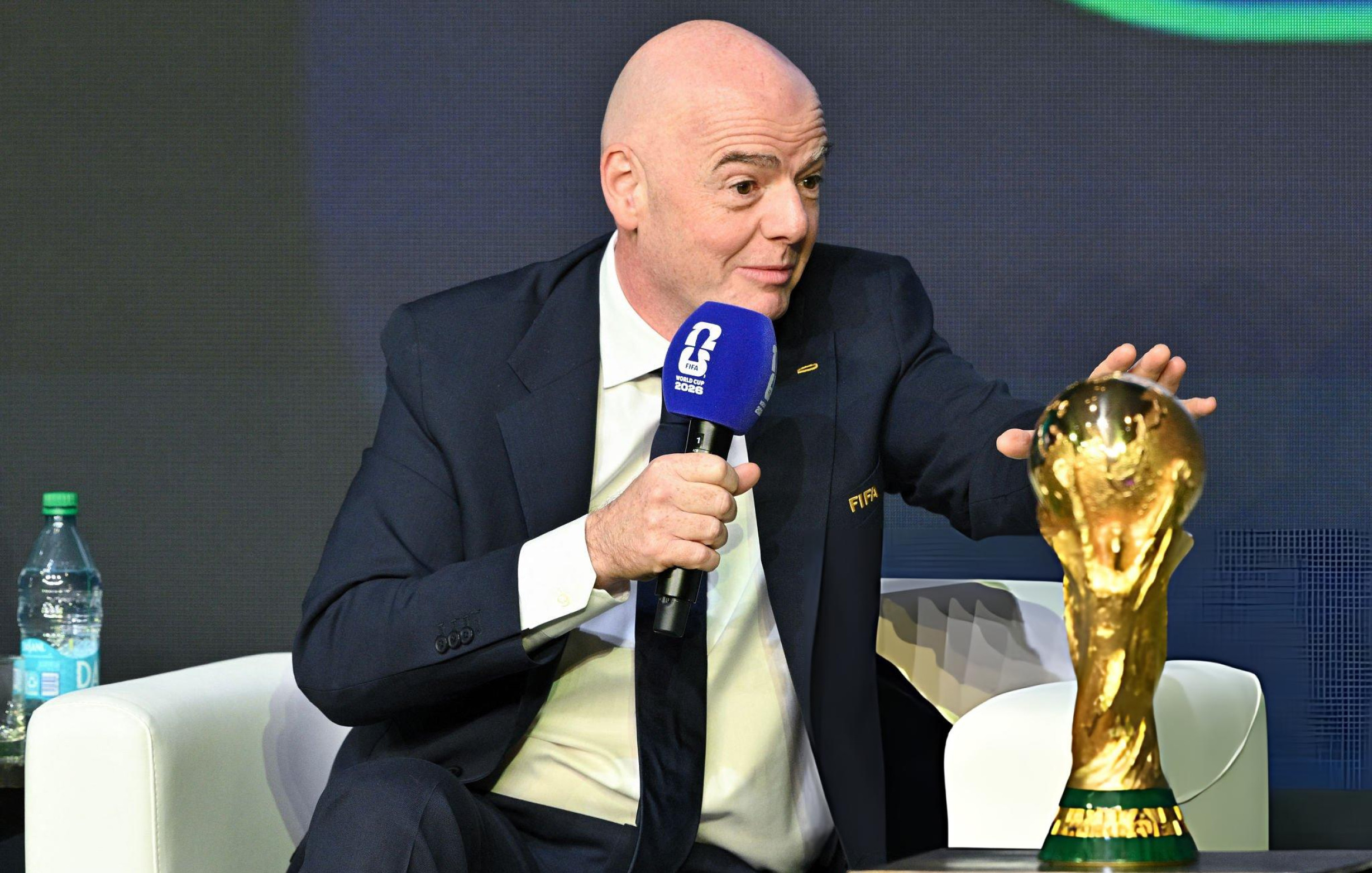
FIFA has officially announced price reduction of some 2026 World Cup tickets following an intense global backlash from supporters, with $60 tickets now guaranteed for every match, including the final, for teams’ most loyal fans.
The announcement, made on Tuesday, comes after fans accused football’s world governing body of a “monumental betrayal” when ticket prices circulated last week showed supporters being asked to pay as much as $4,185, and up to $8,680, for the final.
Under the revised plan, FIFA confirmed that $60 tickets will be made available for every game at the tournament, which will be co-hosted by the United States, Canada and Mexico from June 11 to July 19, 2026.
These tickets will be allocated through national football federations, who will decide how to distribute them to loyal supporters who regularly attend matches both home and away.
How the Ticket Allocation Works
FIFA allocates 8% of tickets for matches involving a national team to that country’s football association. On Tuesday, FIFA revealed that 10% of this allocation will now be priced at $60, creating what it calls a “Supporter Entry Tier.”
For the World Cup final, this means approximately 450 of the 4,500 tickets available through national associations will be sold at the discounted price.
However, FIFA acknowledged that the number of $60 tickets per match is likely to be in the hundreds rather than thousands.
Backlash Triggered by Eye-Watering Prices
The backlash erupted after ticket pricing lists published by several national federations, notably the German Football Association, revealed starkly different figures.
According to the German FA’s published list:
-
Group-stage tickets ranged from $180 to $700
-
The lowest-priced final ticket was $4,185
-
The highest-priced final ticket was $8,680
These figures appeared to contradict FIFA’s earlier claims that $60 tickets would be widely available, fueling anger across fan groups worldwide.
Fan Groups: ‘A Monumental Betrayal and Slap in the Face”
European fan organization Football Supporters Europe (FSE) described the prices as “extortionate.”
Based on available data, FSE said fans would need to pay €6,900 ($8,111) to attend every match from the opening game to the final through the Participant Member Association (PMA) allocation.
This system was designed for fans who attend the most matches at fixed prices rather than dynamic pricing.
According to FSE, that figure is five times higher than what supporters paid at the 2022 World Cup in Qatar.
“This is a monumental betrayal of the tradition of the World Cup, ignoring the contribution of supporters to the spectacle it is,” FSE said in a statement.
The group also criticized FIFA’s pricing model, noting that instead of a standard group-stage price, tickets appeared to be priced:
“Dependent on vague criteria such as the perceived attractiveness of the fixture.”
The English Football Association (FA) shared pricing details with the England Supporters Travel Club (ESTC) on Thursday evening. The figures showed that following England from the group stage all the way to the final would cost $7,020 (£5,228).
That prompted fierce criticism from supporter groups.
The Football Supporters’ Association’s England Fans’ Embassy labelled the pricing policy “laughable.”
In a post on X, the group said:
“These prices are a slap in the face to supporters who support their team outside of the flagship tournament that appears every four years.
“To call the Category 3 tickets, the cheapest available to ESTC members, ‘Supporter Value Category 3’ that comes at a cost of $7,020 if you want to follow England from start to finish, is laughable.”
Read More: 2026 World Cup: Find Out Expanded Format Groups and Full Match Schedule
Read More: 2026 FIFA World Cup: Draw Result Hands African Teams Tricky Pairings
Read More: ‘The Tools Were Provided, We Failed’ – DG Olopade Reveals Following Super Eagles World Cup Failure
FIFA Defends Policy, Then Changes Course
Back in September, FIFA had said tickets sold via its website would initially range from $60 for group-stage matches to $6,730 for the final, while confirming that dynamic pricing, a first for the World Cup, would be introduced.
The cheapest tickets for group matches not involving co-hosts USA, Canada or Mexico were later revealed to range between $120 and $265, intensifying criticism.
FIFA did not specify exactly why it reversed course but said the new pricing tier is:
“Designed to further support travelling fans following their national teams across the tournament.”
A FIFA official close to discussions told PA:
“We listened to feedback and this new category is the right thing to do.”
FIFA also confirmed it will waive administrative fees on refunds issued after the final on July 19.
Despite welcoming the $60 ticket introduction, FSE said the changes do not go far enough. FSE also highlighted the absence of a clear pricing structure for disabled fans, including companion tickets.
Massive Demand of World Cup Ticket
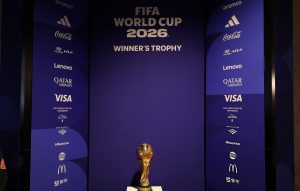
FIFA revealed that more than 20 million ticket requests have already been submitted since the third phase of ticket sales began last Friday.
This phase, known as the “Random Selection Draw,” allows fans to apply for specific matches for the first time, following last week’s tournament draw.
The draw:
-
Opened December 11 at 11 a.m. ET
-
Closes January 13, 2026
-
Successful applicants will be notified in February and charged automatically
However, fans are not guaranteed tickets to the matches they apply for.
A Tournament Set to Break Records
The 2026 World Cup will be the first to feature 48 teams, expanded from 32, and is expected to generate at least $10 billion in revenue for FIFA.
FIFA said it:
“Reinvests the revenue it generates from the FIFA World Cup to fuel the growth of men’s, women’s and youth football throughout the 211 FIFA Member Associations.”
Still, comparisons remain stark.
-
USA 1994 World Cup: tickets ranged from $25 to $475
-
Qatar 2022 World Cup: tickets ranged from around $70 to $1,600
For now, FIFA’s partial U-turn has eased some pressure but the ticketing debate surrounding the 2026 World Cup is far from over.
